WORKSHOPS
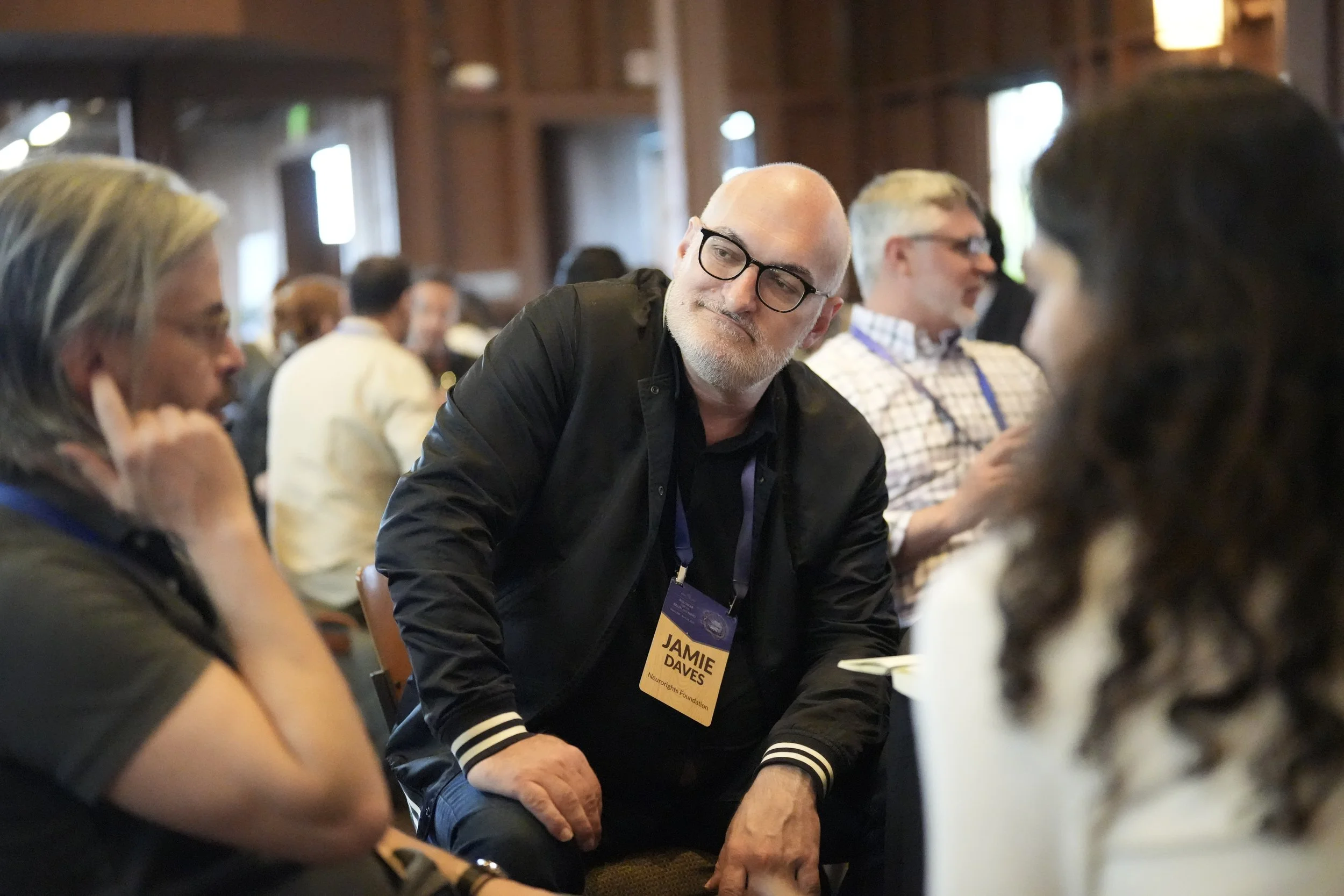
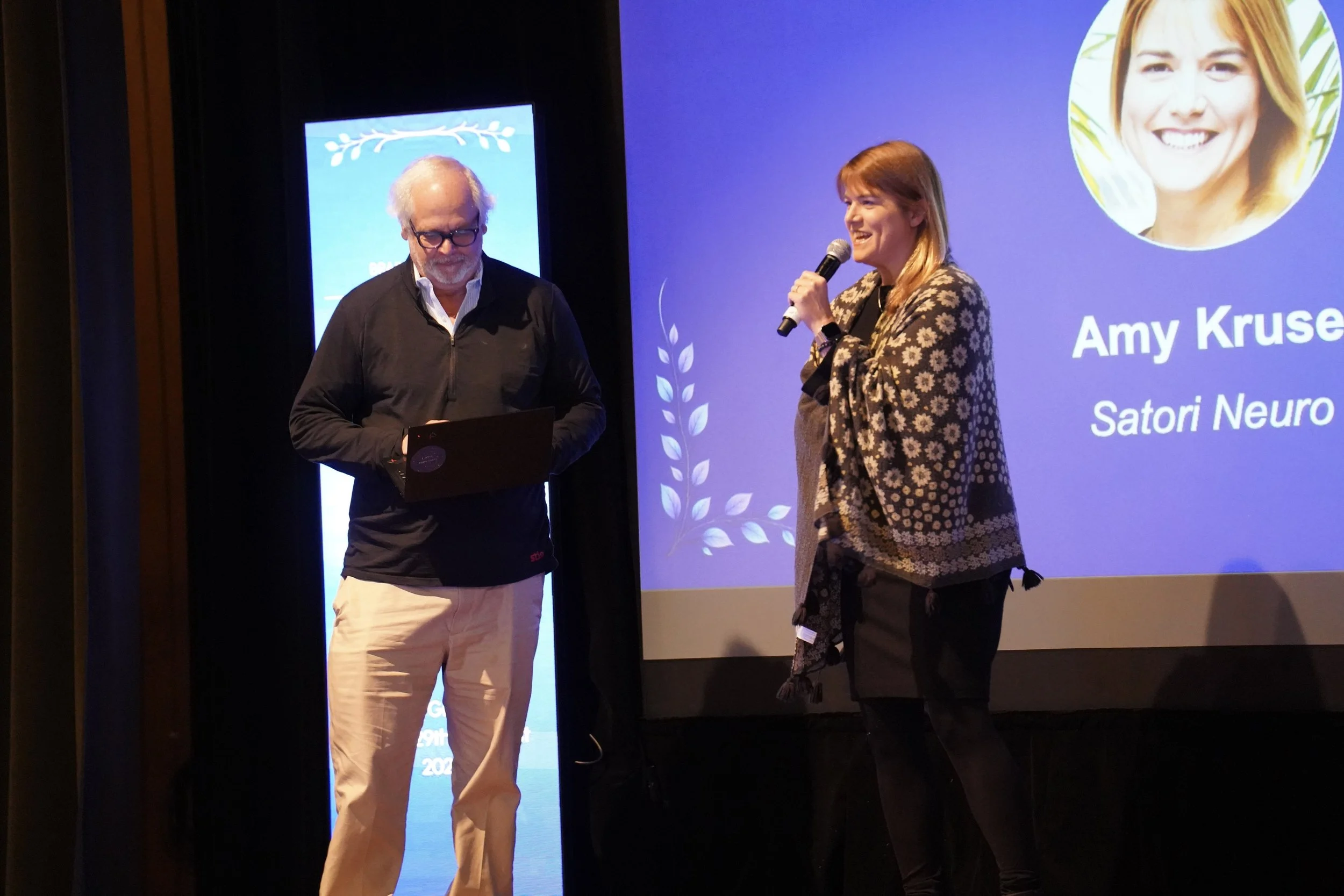
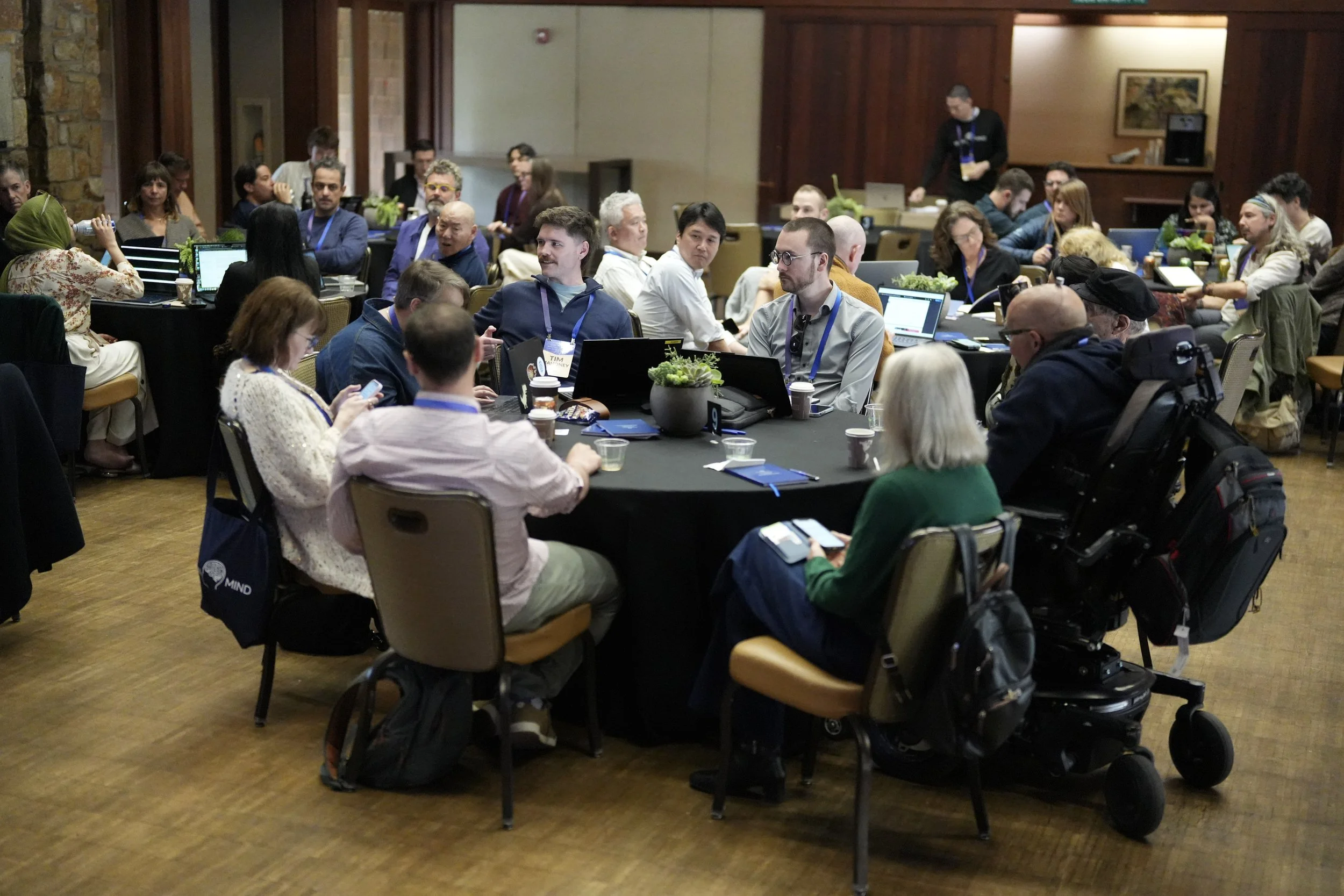
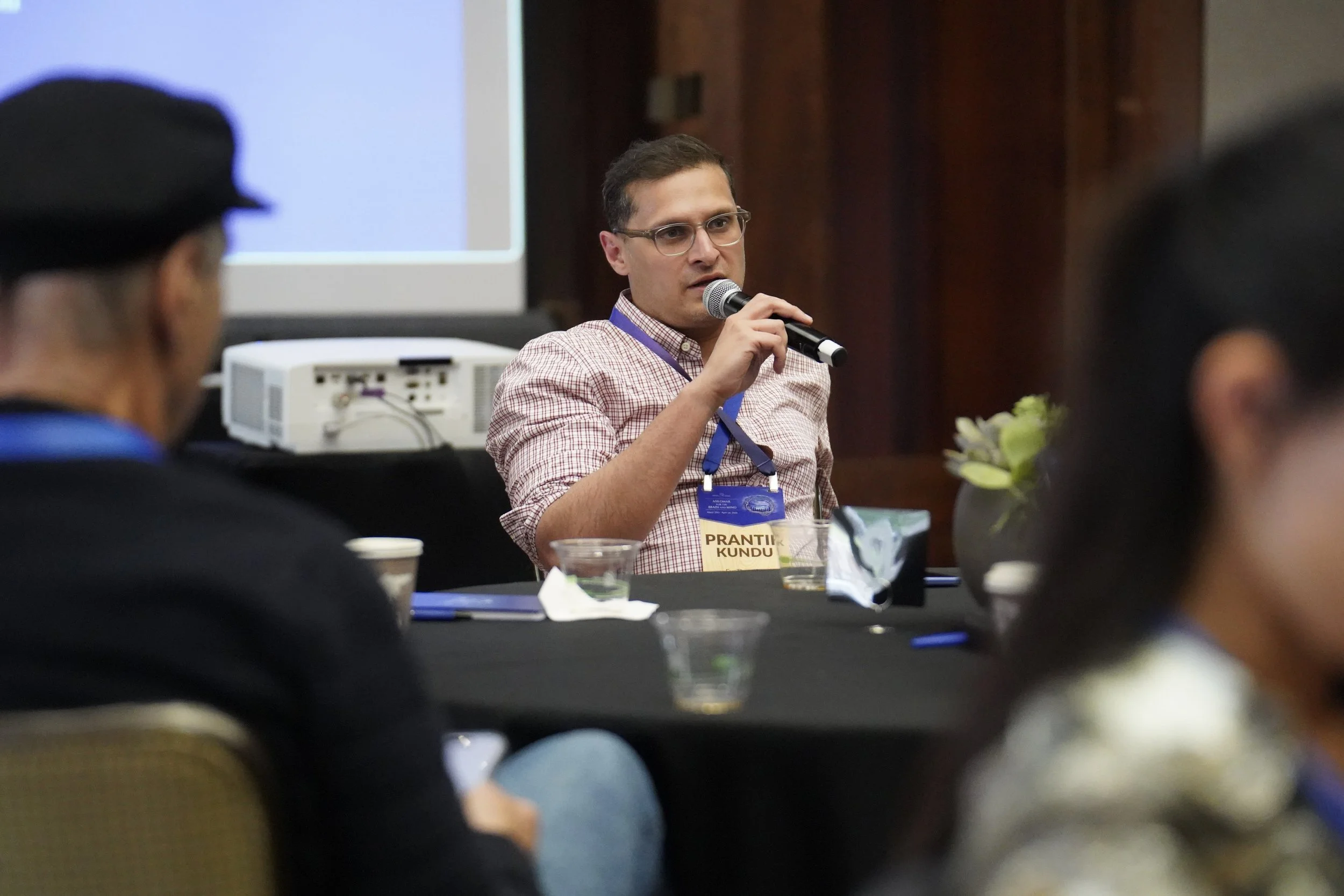
Asilomar for the Brain and Mind was a workshop-driven, interactive gathering. All participants were expected to contribute substantively in the co-creation of practical ethical decision-making tools across the innovation lifecycle. Workshops ran concurrently, and participants were pre-assigned and notified of their selected workshop and any prep work needed ahead of time. Learn more about each workshop below:
Monday, March 30




Tuesday, March 31



Workshops: March 30th, 2026
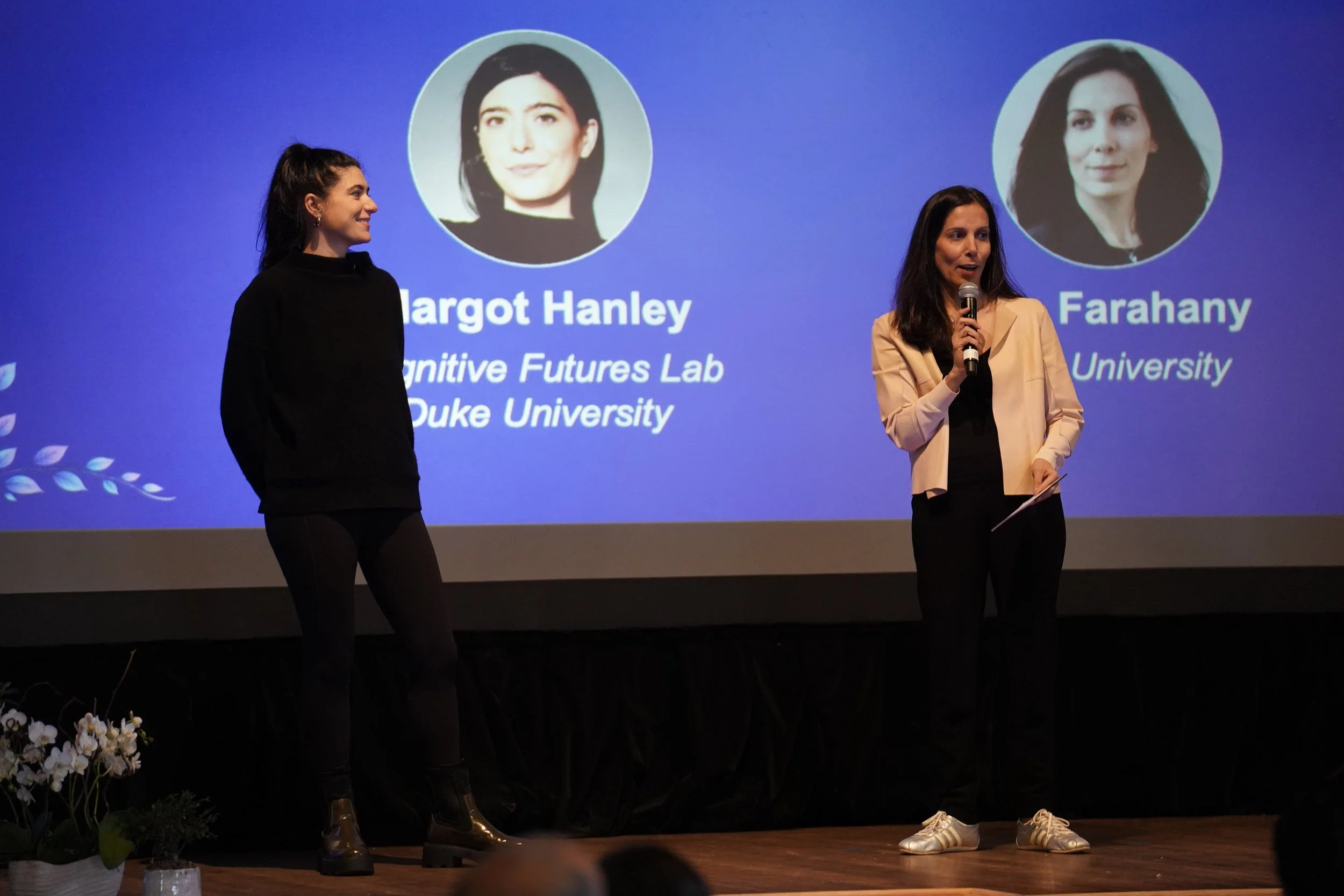
NeuroTrust Index
World Economic Forum’s Global Future Council of Neurotechnology, Cognitive Futures Lab, Duke University
This workshop focused on the development of an industry-facing rating system designed to assess trust, governance, and responsible practices in neurotechnology. Participants engaged with the emerging NeuroTrust Index, examining how its criteria, metrics, and thresholds could be applied to real-world products and companies. Through collaborative discussion and applied exercises, the group explored how such a framework could inform decision-making across investment, regulation, and product development, while surfacing key challenges in defining and measuring concepts such as transparency, privacy, and user autonomy.
Building on this work, the group is advancing the rating framework into its next iteration. Workshop testing identified areas requiring further clarification, including data ownership, consent withdrawal, and downstream use. These considerations are being incorporated alongside ongoing work on evaluation and implementation processes to support the Index’s development as a credible and usable signal of trustworthiness across the neurotechnology ecosystem.
Leads

Nita Farahany, JD, PhD
Global Future Council on Neurotechnology, Uniform Law Commission, Duke

Margot Hanley, PhD
Cognitive Futures Lab, Duke University


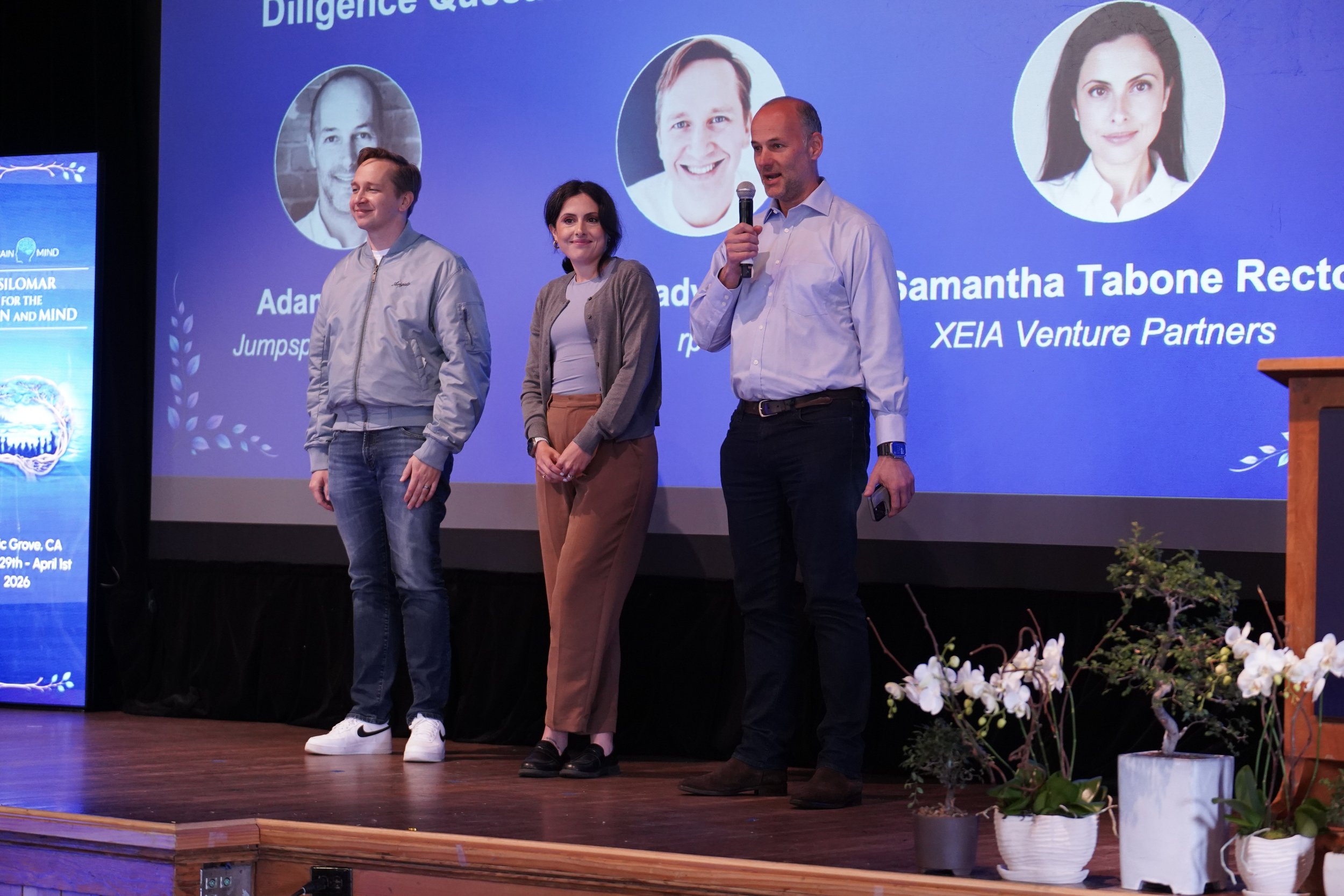
Diligence Questions, Investor-Founder Agreement
BrainMind Investor Working Group #1
This workshop focused on how ethical commitments in neurotechnology can be translated into concrete investor practices. Participants explored a draft set of pre-investment due diligence questions and a complementary term-sheet addendum, examining how these tools could anchor funding decisions in clear ethical responsibilities. Through real-world scenarios, the group identified gaps in how existing approaches surface issues such as safety, agency, data use, and business model alignment, and refined the frameworks to better reflect the realities of investment and company-building.
Building on this work, participants advanced a set of practical outputs now under active development: a neuroethics charter clarifying investor and founder responsibilities, a structured due diligence framework tailored by stage and company type, and model term sheet language designed to embed ethical commitments into investment agreements. These tools are being further developed through post-summit working groups, with a community update expected in June 2026.
Leads

Arkady Kulik
rpv

Adam Caplan
Jumpspace Ventures

Samantha Tabone
XEIA Ventures
Partners
Masashi Kiyomine, Kicker Ventures
Frank Stegert, Global Asset Capital

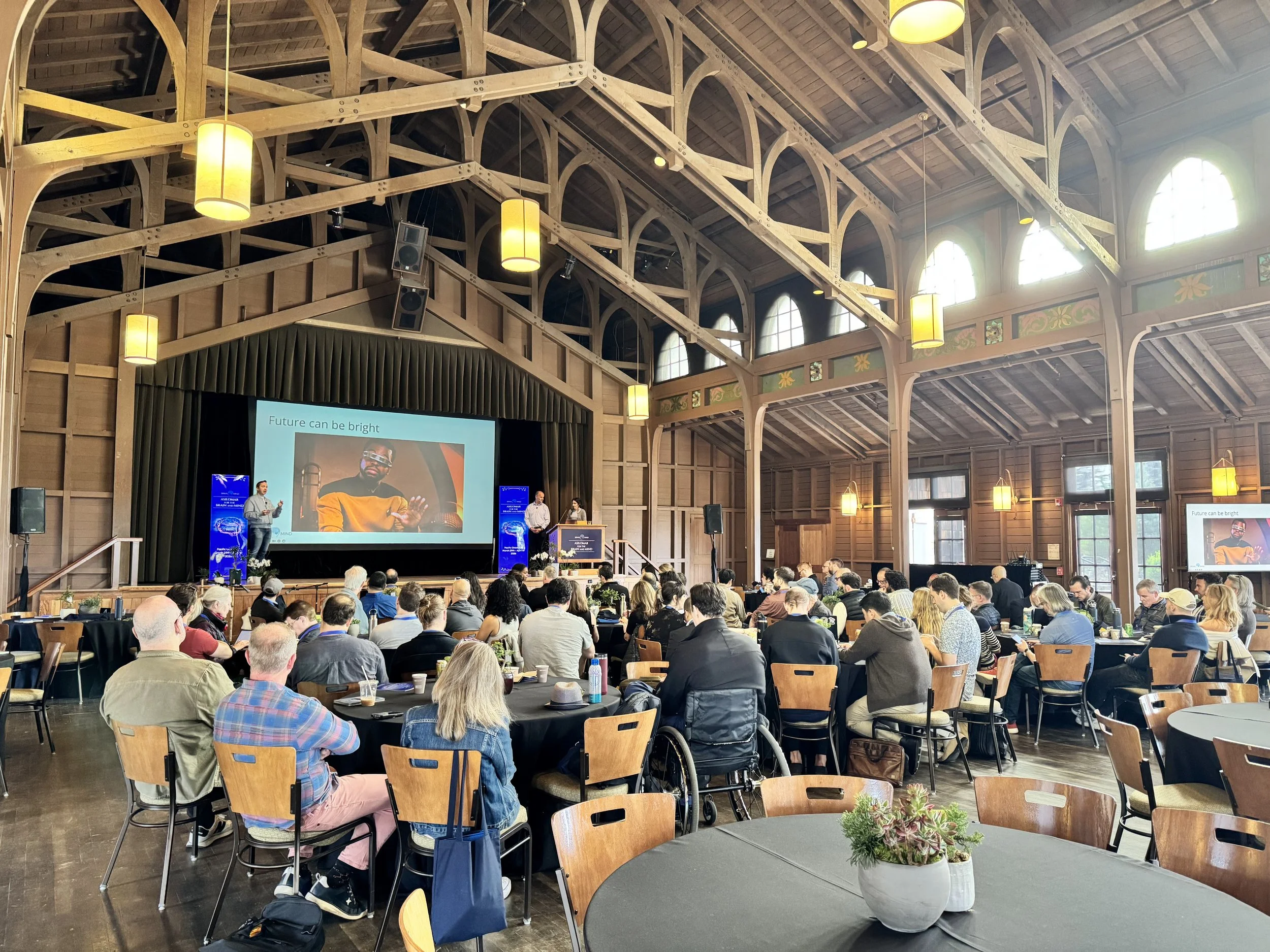
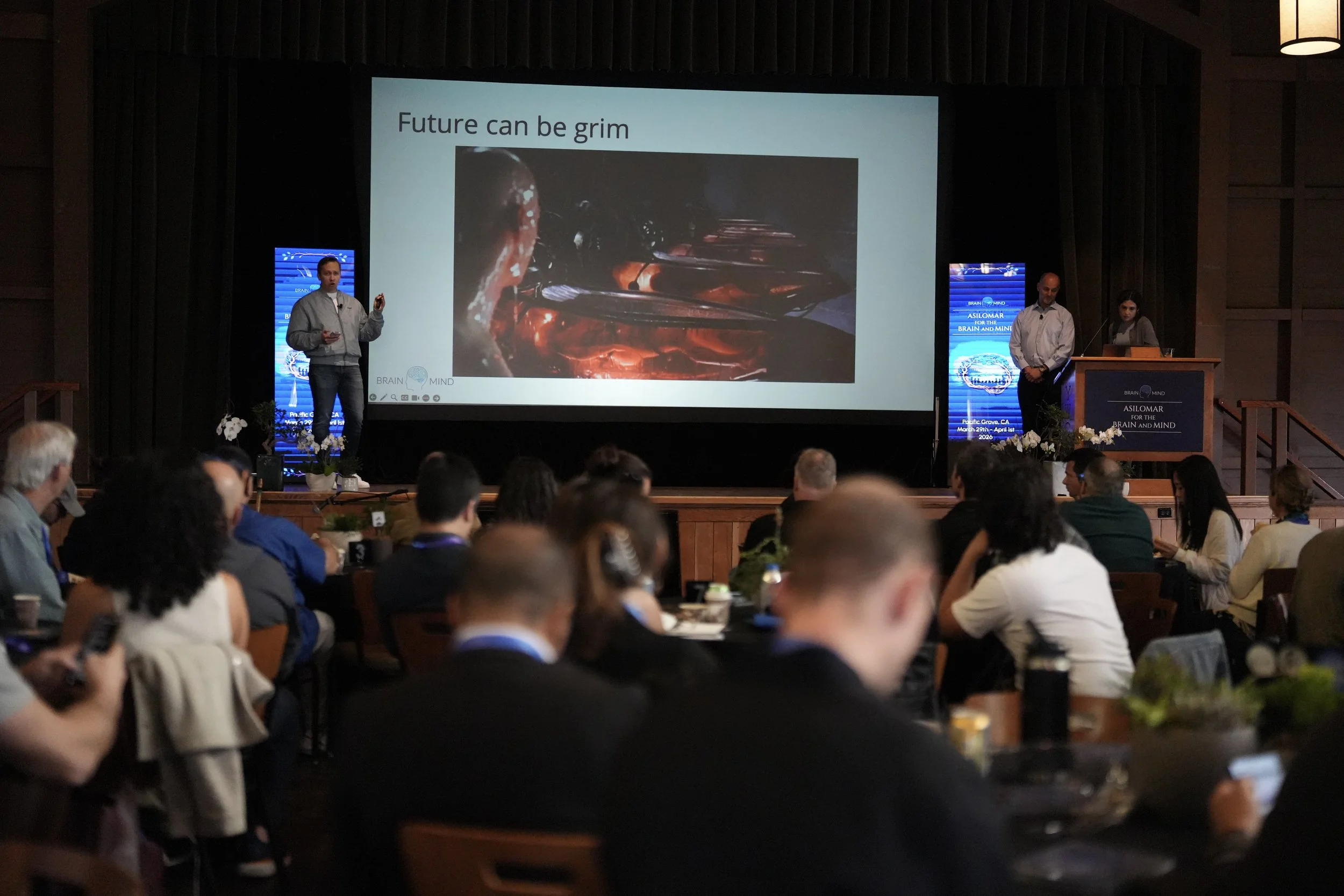
Toolkit for Neuro-entrepreneurs: Ensuring Acceptable Use, Mitigating Misuse of Neurotechnologies
Ningen Neuroethics Co-Lab, IDUN Technologies
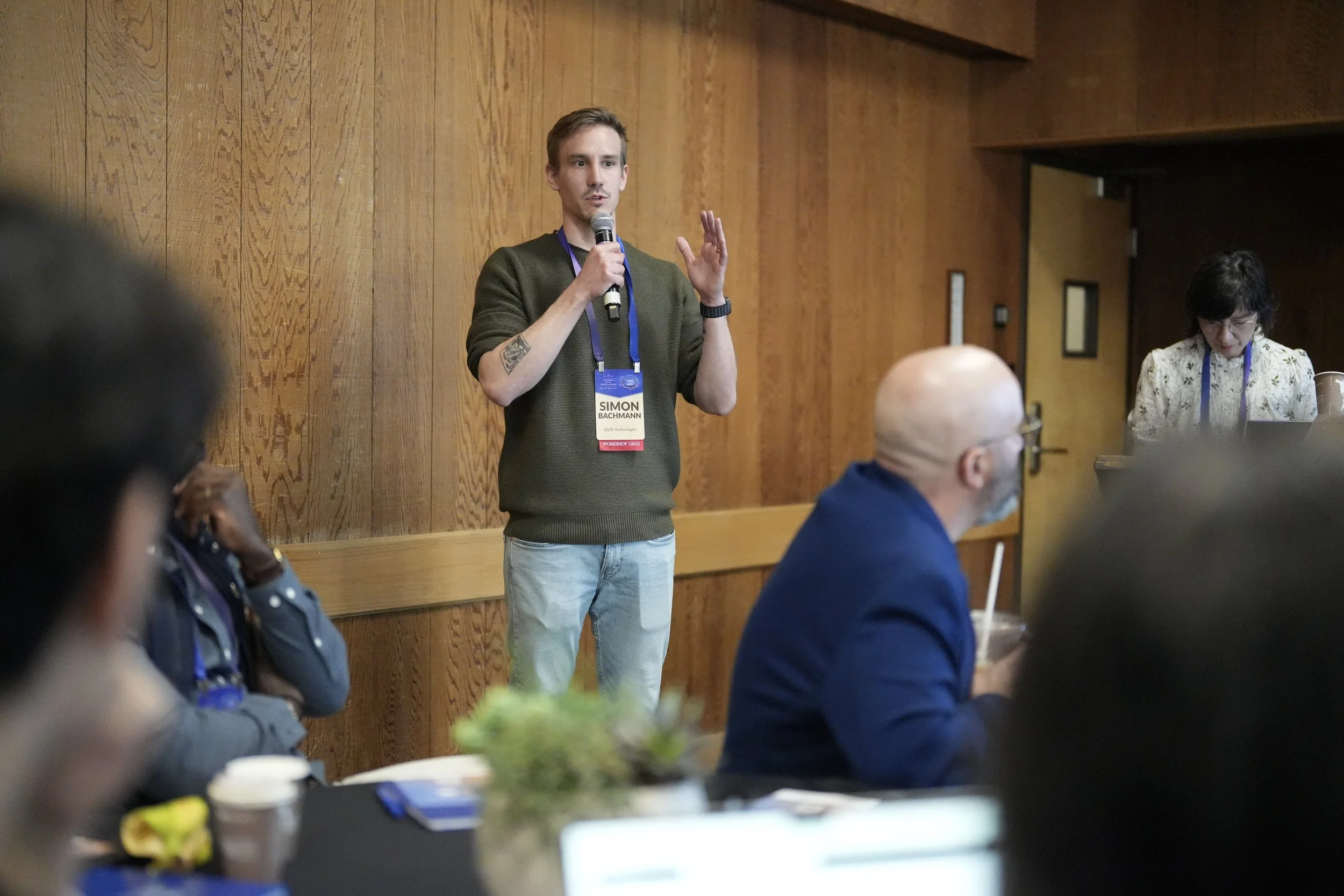
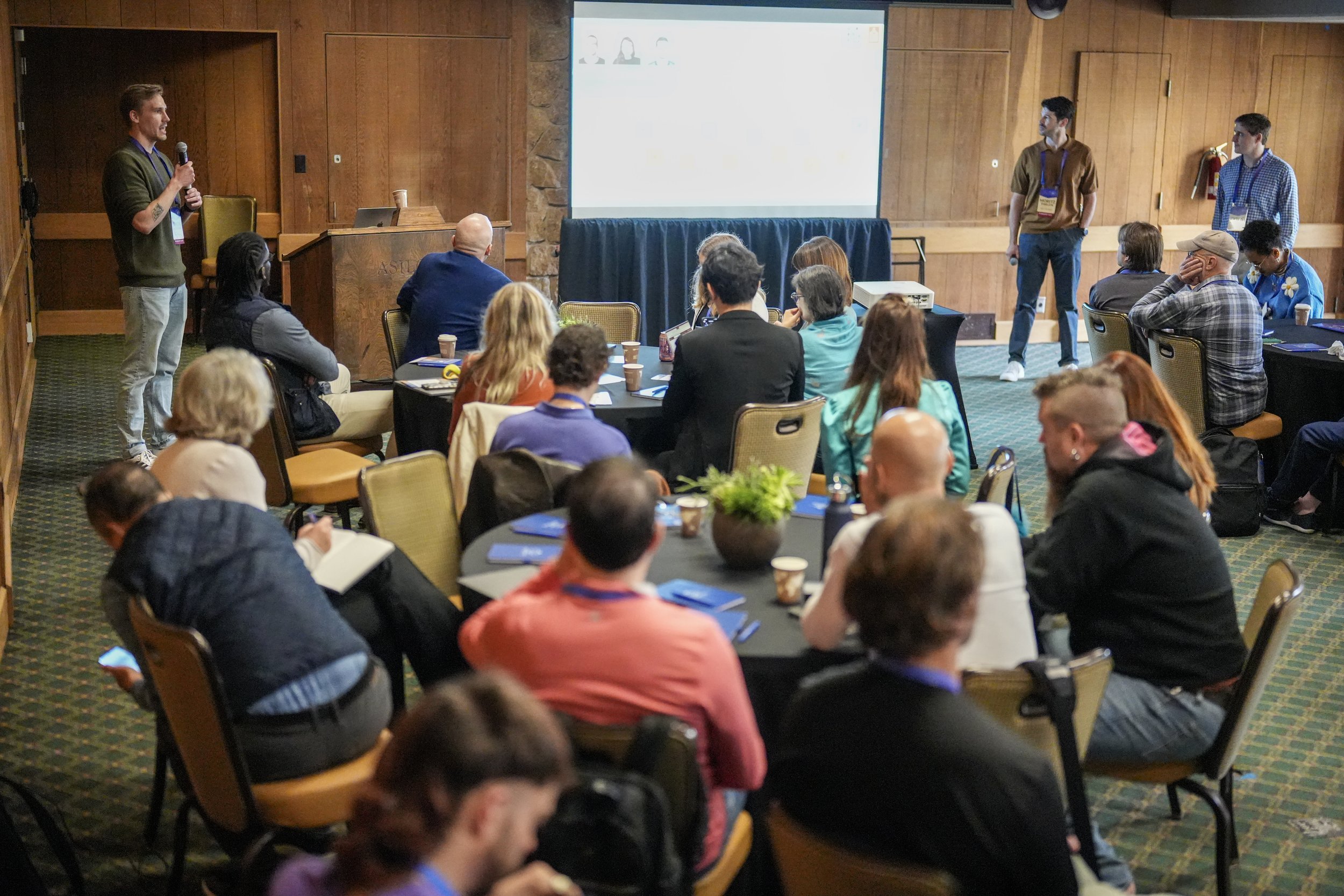
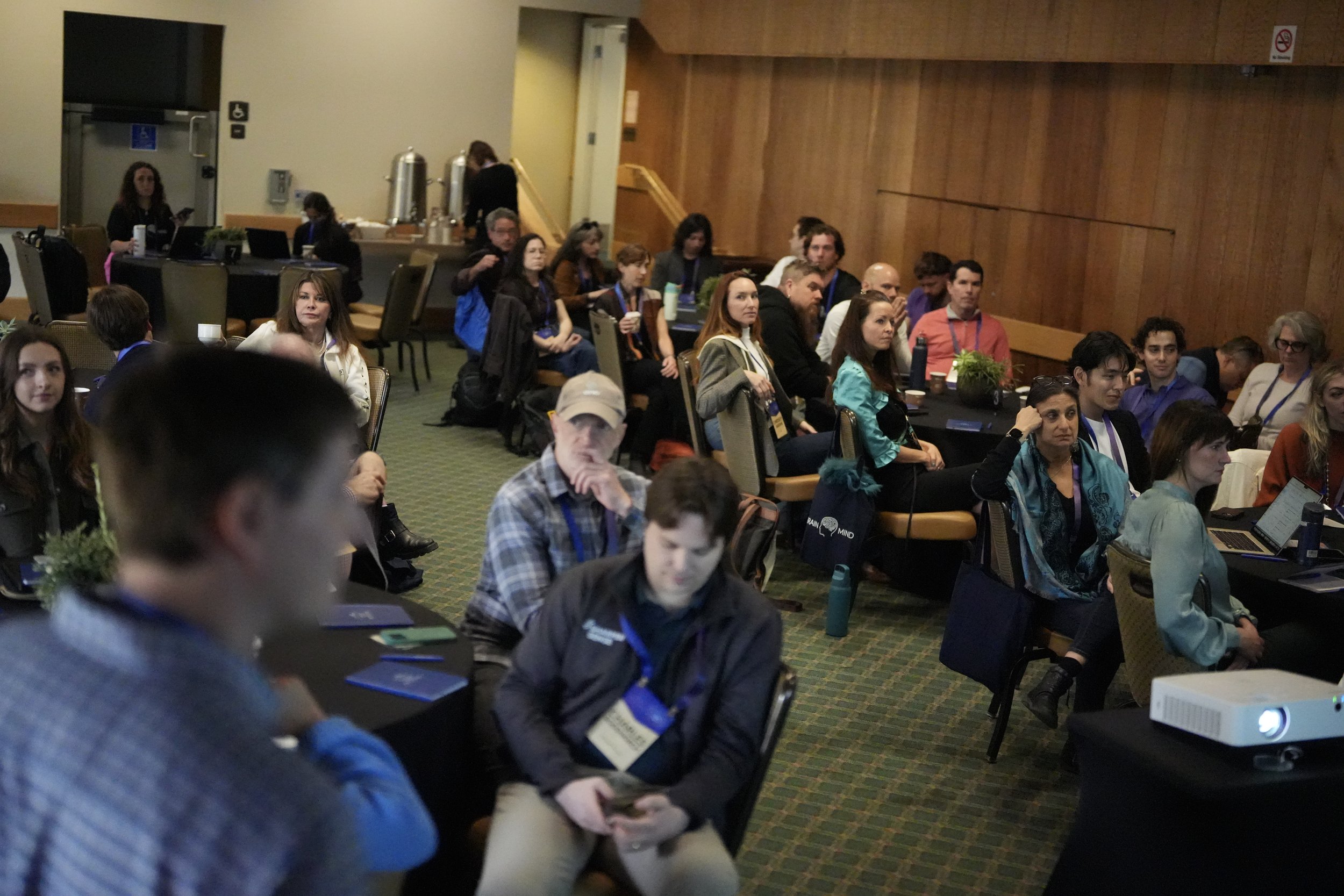
This workshop focused on how neurotechnology companies can integrate ethical reflection into product development and partnership decisions. Participants test-drove an early ethics-support application designed to guide decision-making around acceptable use, licensing, and collaboration, and explored how complementary governance tools could support responsible deployment as technologies scale. Through simulation exercises and structured feedback, the group examined when specific tools are most useful and how they can be applied in real operational contexts.
Building on this work, the group is advancing the tool into pilot. Seven companies have committed to testing the next iteration in operational settings, with additional organizations contributing to ongoing feedback and refinement. The application is being adapted to better support decision-making across product development and partnership contexts.
Leads

Karen Rommelfanger, PhD
Ningen Neurotethics Co-lab

Moritz Thielen, PhD
IDUN Technologies

Simon Bachmann
IDUN Technologies


External Stakeholder Engagement
American Brain Coalition
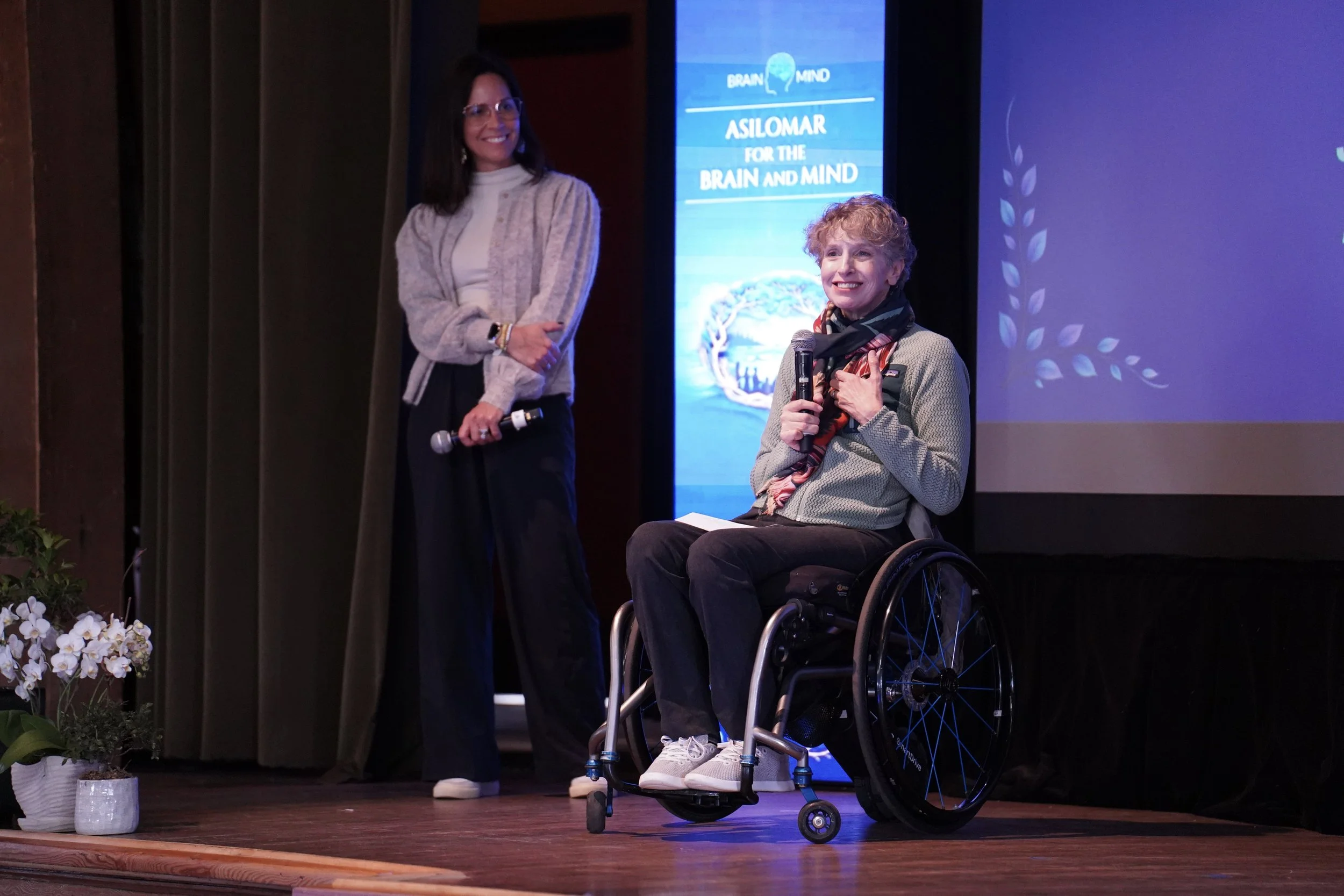
This workshop focused on how neurotechnology companies and research organizations can more effectively integrate lived-experience perspectives into their work. Participants engaged with emerging tools designed to support the design, execution, and management of lived-experience engagement programs, including a beta version of an Industry/Developer Resource Hub. Through interactive testing and discussion, the group explored how these resources could be integrated into real-world workflows and business models, and where additional support is needed to make engagement more practical and sustained.
Building on this work, the SHARE and CARE platforms are advancing into their next development phase. Feedback from workshop testing is being incorporated into improvements in usability, disease specificity, and workflow integration. A peer learning session has been scheduled to support continued development and adoption.
Leads

Jennifer French
Neurotech Network, iBCI-CC

Katie Sale
American Brain Coalition


Workshops March 31st, 2026

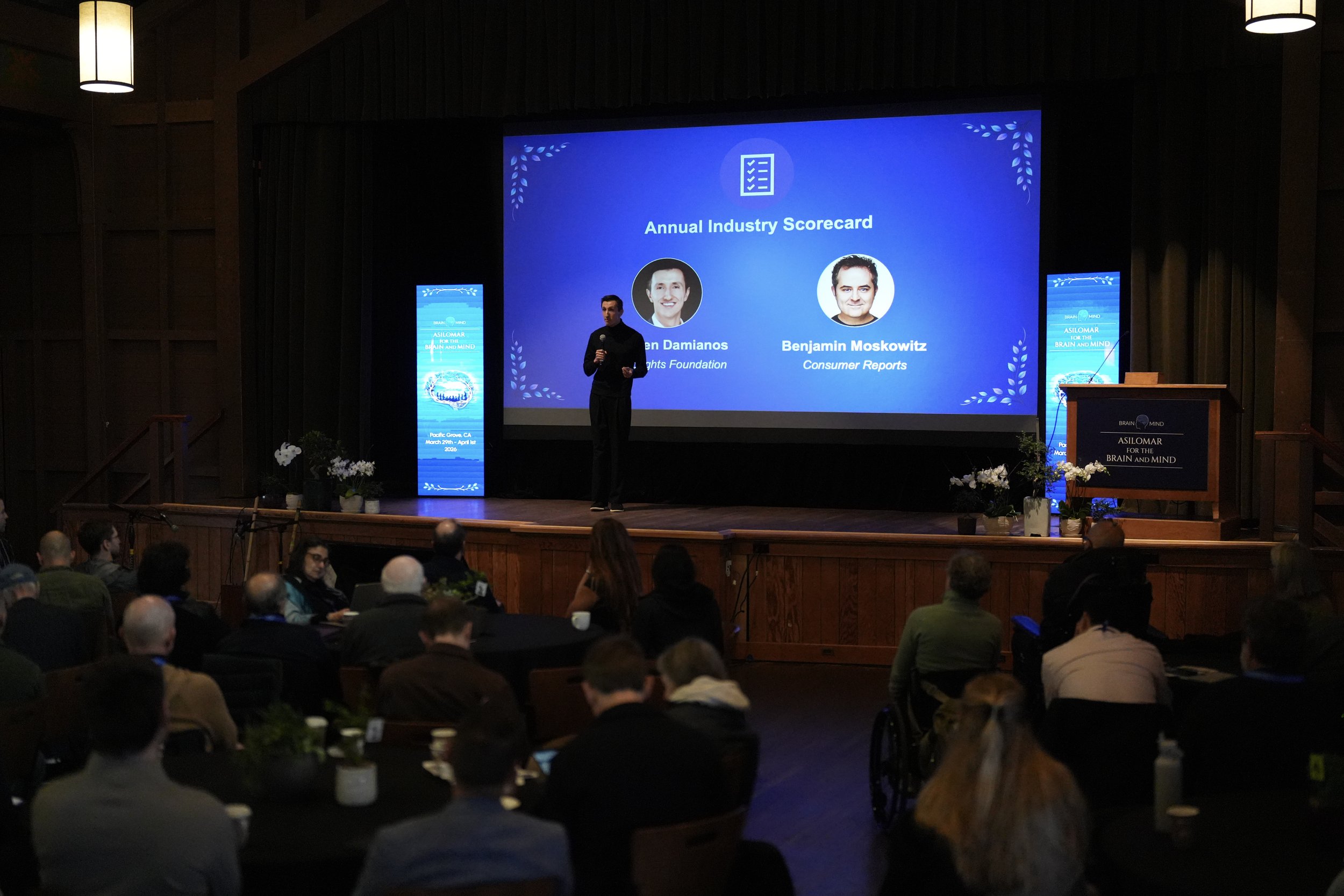
Annual Industry Scorecard
Neurorights Foundation and Consumer Reports
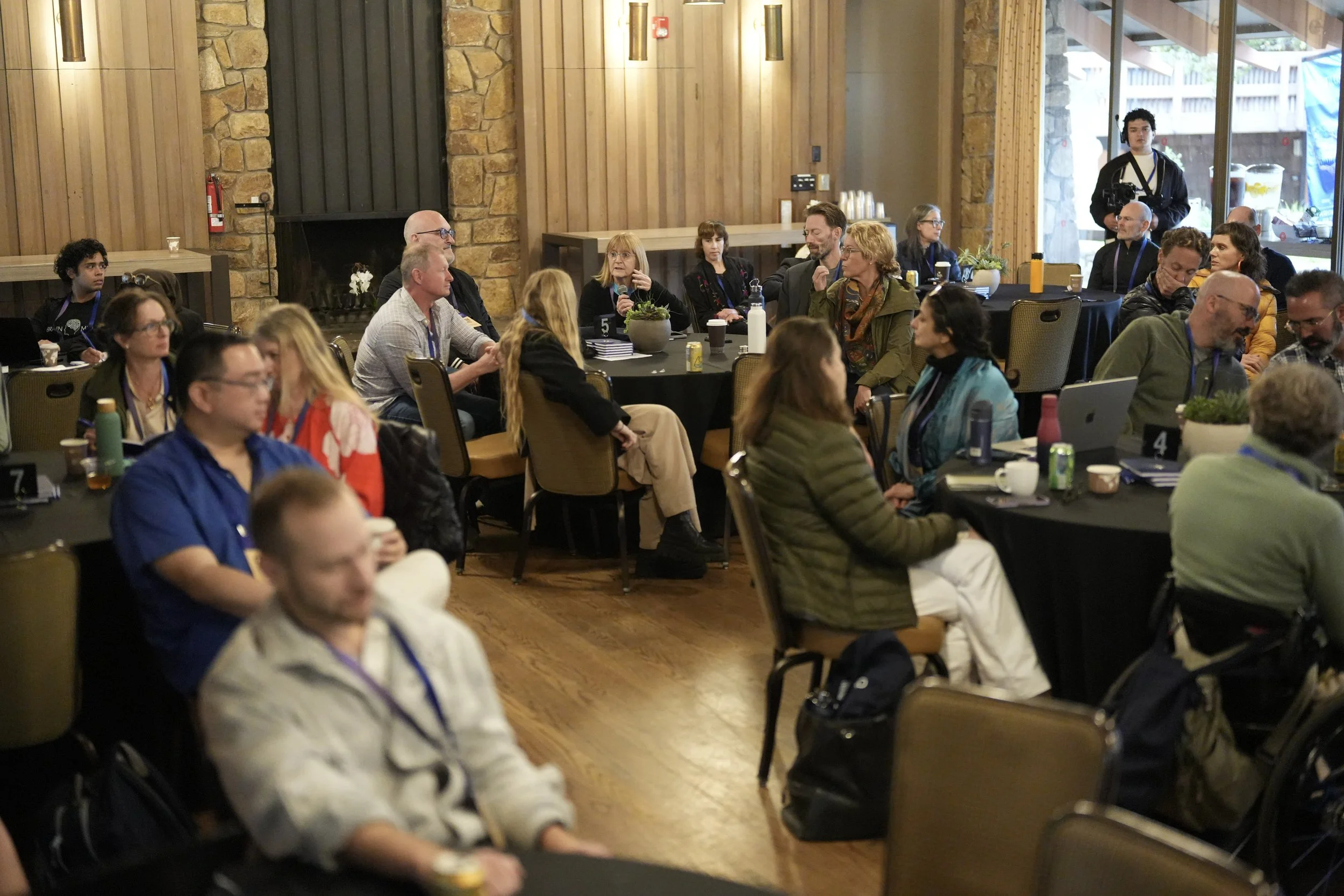
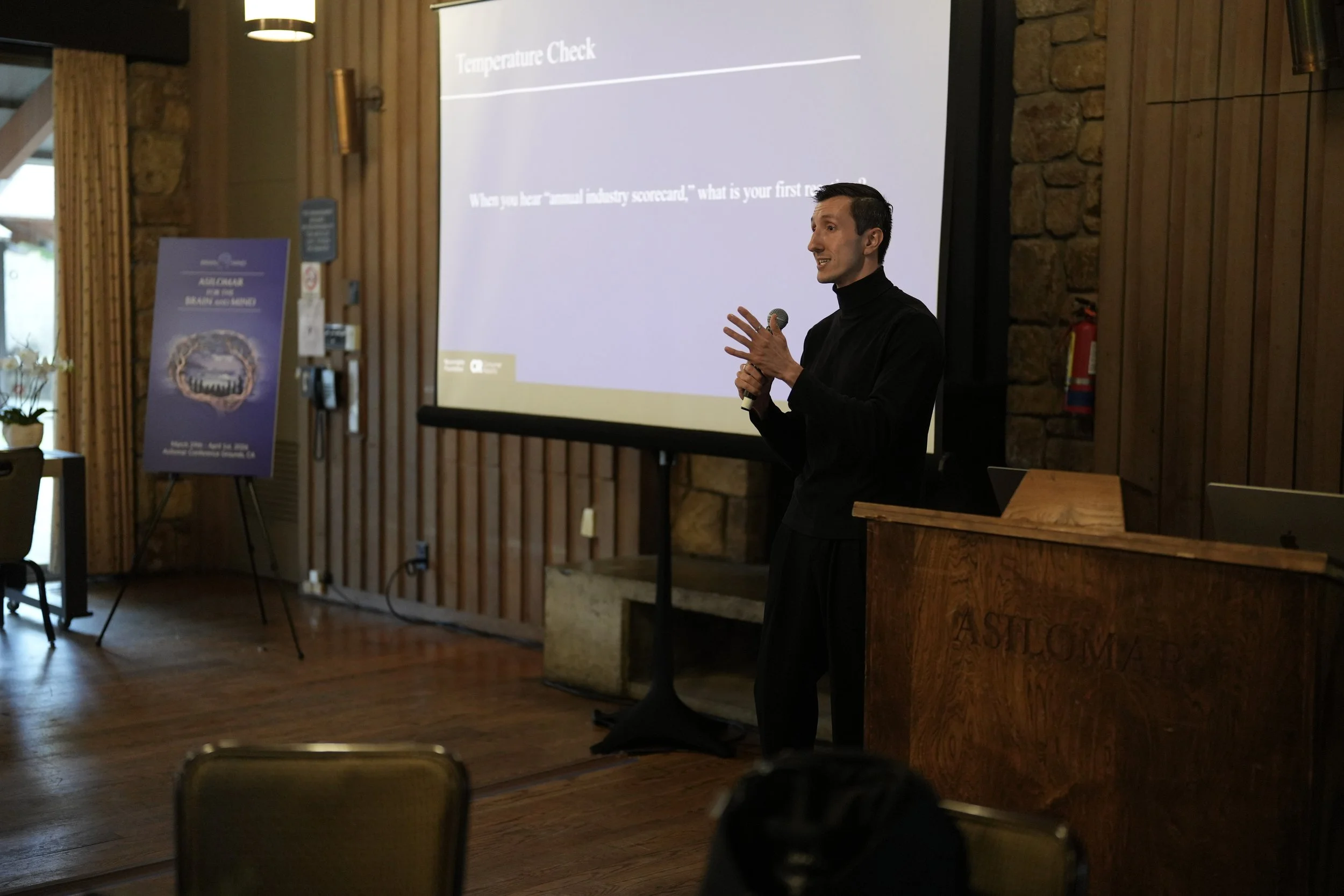
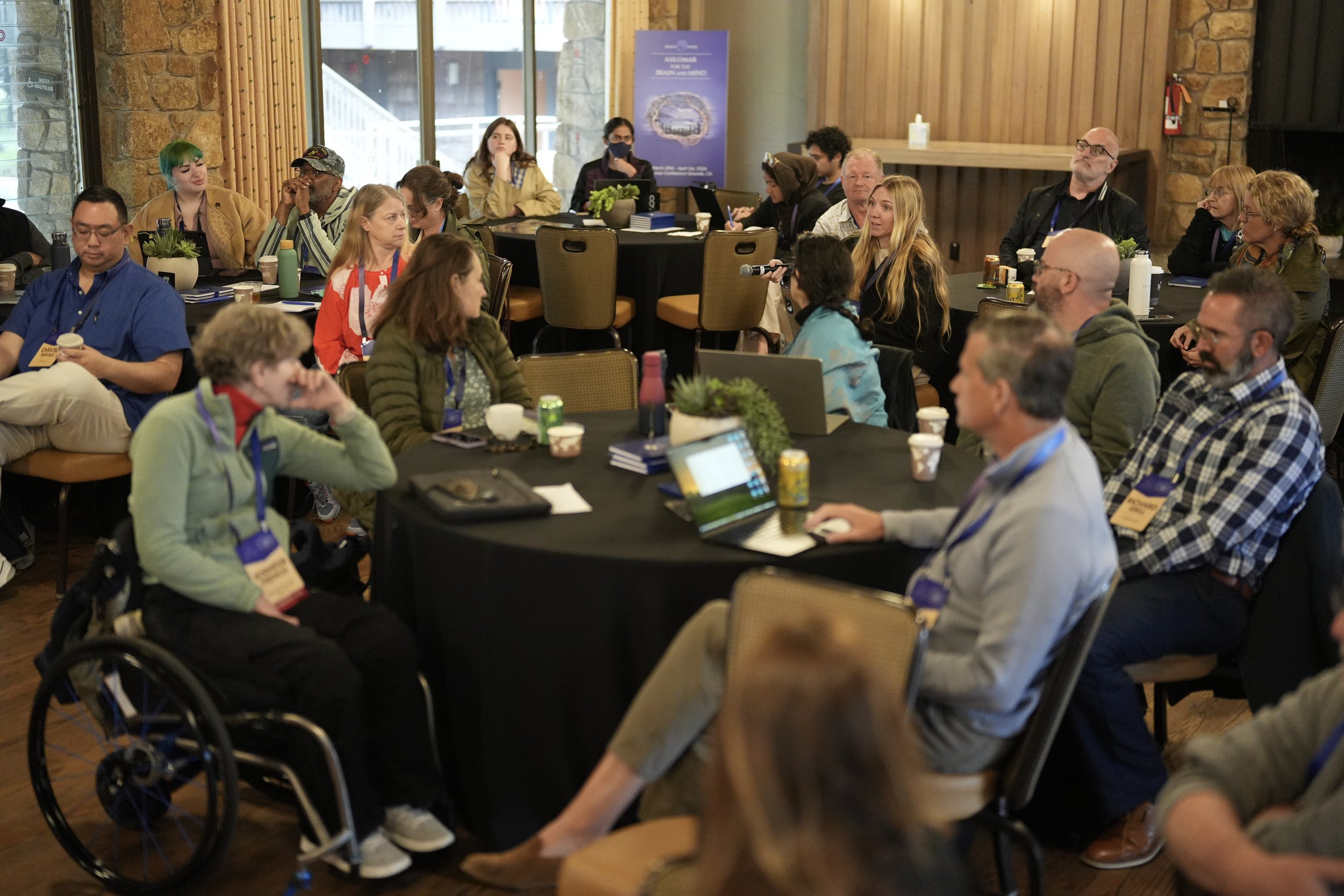
This workshop focused on how to establish credible, practical standards for evaluating consumer neurotechnology products and companies. Participants engaged with a prototype evaluation framework designed to strengthen trust and safety in a rapidly expanding market, exploring how such a tool could support informed consumer choice while enabling companies to differentiate through responsible practices. Through structured feedback and collaborative exercises, the group examined how the framework could be applied across diverse product types and business models, and what would be required for industry-wide adoption.
Building on this work, the group is refining the proposed scorecard framework. Current efforts include reducing and restructuring the set of evaluation principles, separating product performance from company practices, and introducing multiple sub-scores. The scorecard is being developed toward a target public release in early 2027.
Leads

Stephen Damianos, PhD
The Neurorights Foundation

Benjamin Moskowitz
Consumer Reports

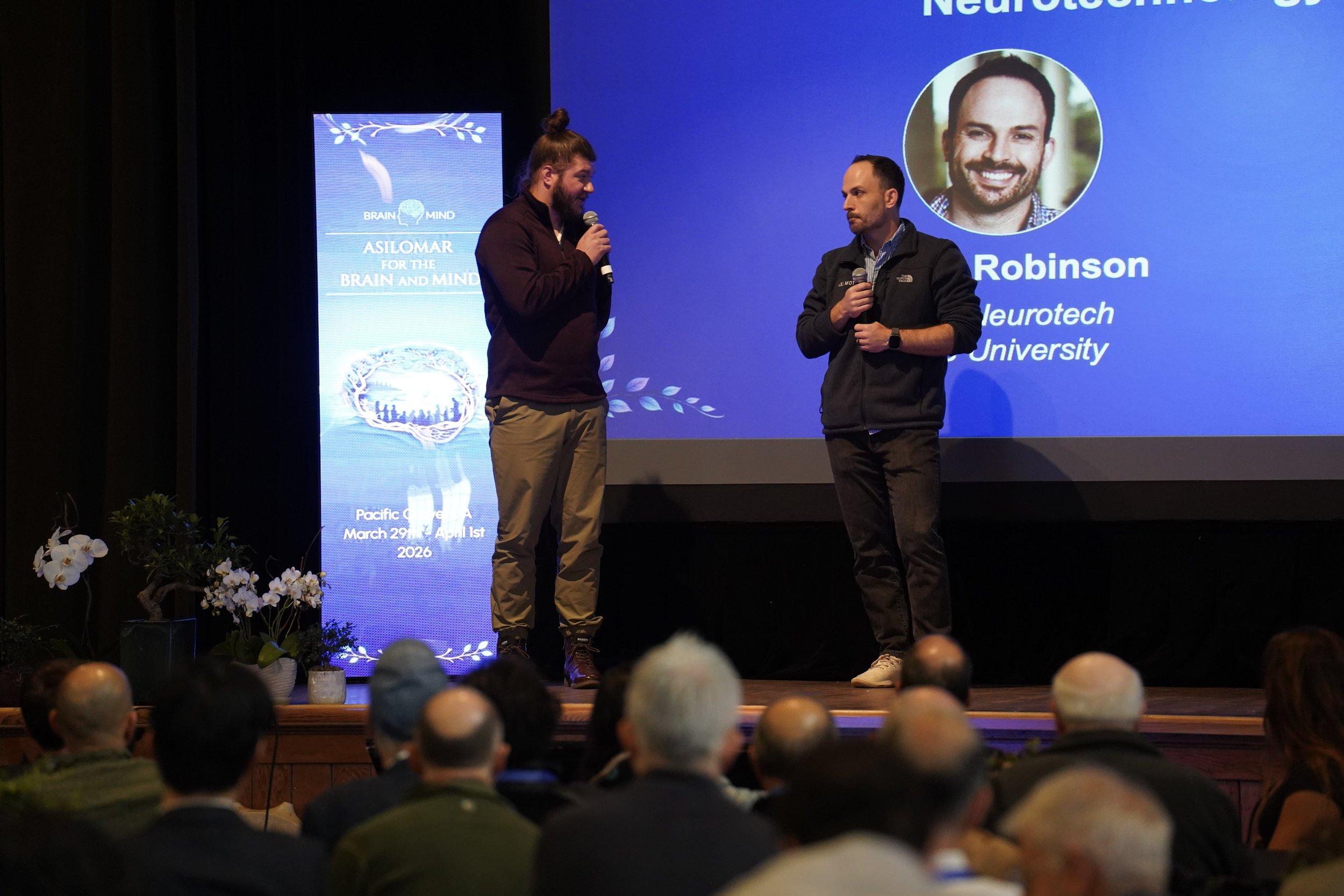
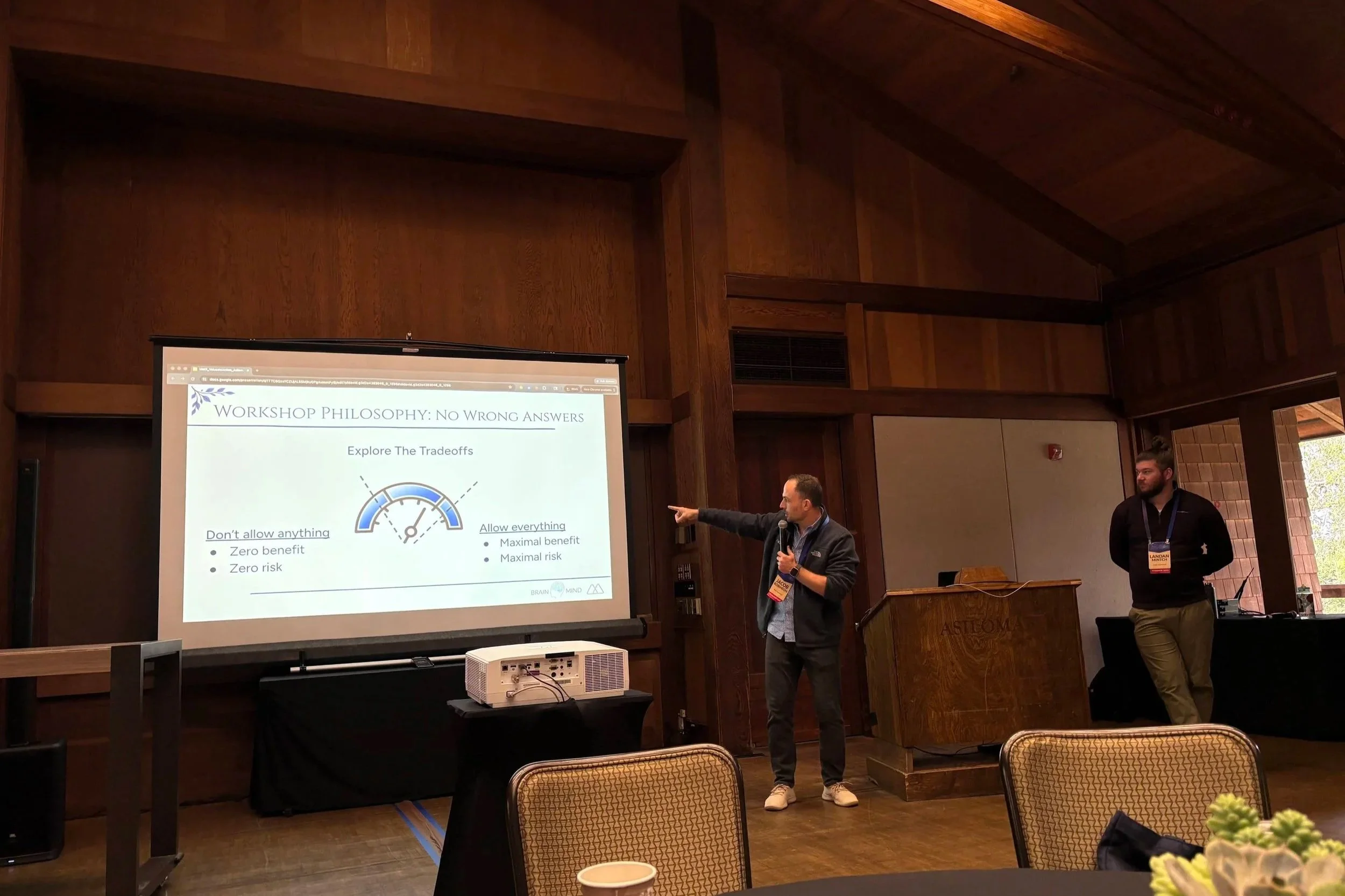
Values to Actions: Ethical use of Neural Data within Neurotechnology Companies
Motif Neurotech
This workshop focused on how organizations can translate ethical commitments around neural data into concrete governance practices. Through a structured progression from values to philosophy, policy, and process, participants developed and pressure-tested approaches to data ownership, consent, and downstream use in real-world scenarios. These exercises surfaced key challenges in applying existing frameworks to continuous data streams, evolving use cases, and organizational decision-making.
Building on this work, participants are now developing a policy brief that translates workshop outputs into practical guidance for neural data governance. The draft includes proposed approaches to consent, ownership, and downstream use, and will be circulated for broader review prior to publication.
Leads

Jacob Robinson
Rice University, IEEE

Landan Mintch
Motif Neurotech



Ethics and Reputation Risk Matrix
BrainMind Investor Working Group #2
This workshop focused on a board-level governance tool designed to support ongoing ethical oversight in neurotechnology companies. Participants engaged with a draft risk matrix intended to help board members identify emerging risks, assess company alignment with ethical commitments, and guide decision-making across the lifecycle of neurotechnology development. Through applied discussion and scenario-based exercises, the group explored how such a tool could be integrated into routine board processes and where existing approaches fall short in surfacing risks related to agency, misuse, safety, and access.
Building on this work, the group is refining the matrix as a practical, repeatable governance instrument for ongoing use. A complementary set of concise, signable principles is also under development, intended to make core neuroethics commitments more legible and actionable at the board level.
Leads

Amy Kruse, PhD
Satori Neuro

Juan Enriquez, MBA
Excel Venture Management
Partners
Matthew Dworman, GFI Partners
Esther Dyson, Braingels
Tom Gruber, Braingels