The next decade of brain science will shape the human experience
The brain is the next great frontier — where humanity’s most intimate vulnerabilities meet some of our most powerful technologies.
At the heart of BrainMind’s mission is a simple question: Which ideas in brain science should scale if our only goal were human flourishing?
Since 2018, BrainMind has curated a community of more than 5,000 leaders across neuroscience, technology, venture capital, philanthropy, and lived experience to identify and support high-impact ideas that often fall outside traditional funding models. We call this gap the BrainMind valley of death — where promising, ethically urgent innovations struggle to scale because they are not venture-backable.
From the beginning, we recognized that advancing this work responsibly would require more than funding. It would require shared norms. Over the past seven years, BrainMind has convened salons, advisory groups, and international collaborations — including work with UNESCO and the OECD — to build a foundation for ethical neuro-innovation.
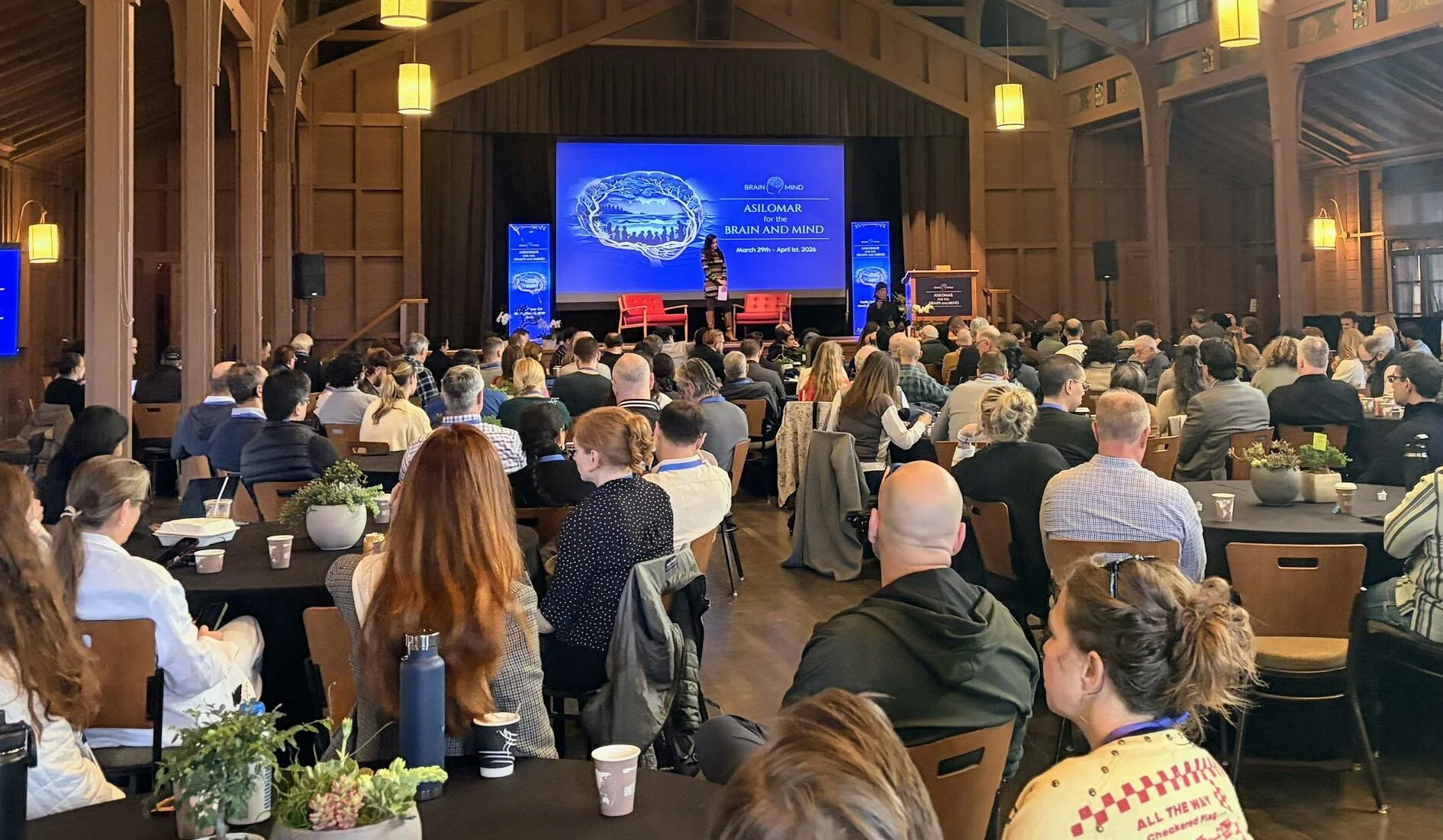
At Asilomar for the Brain and Mind (2026), we took the next step: moving neuroethics from principles to practice.
Rather than drafting another charter, the meeting facilitated the co-creation of practical tools — model policies for brain data governance, ethical integration frameworks for R&D teams, collaboration guides, and regulatory engagement templates — resources designed to be used immediately by entrepreneurs, funders, policymakers, and researchers alike.
This is not only a conversation. It is the beginning of a shared infrastructure for safeguarding mental privacy, agency, and identity in the age of neurotechnology.
Explore the talks from Asilomar
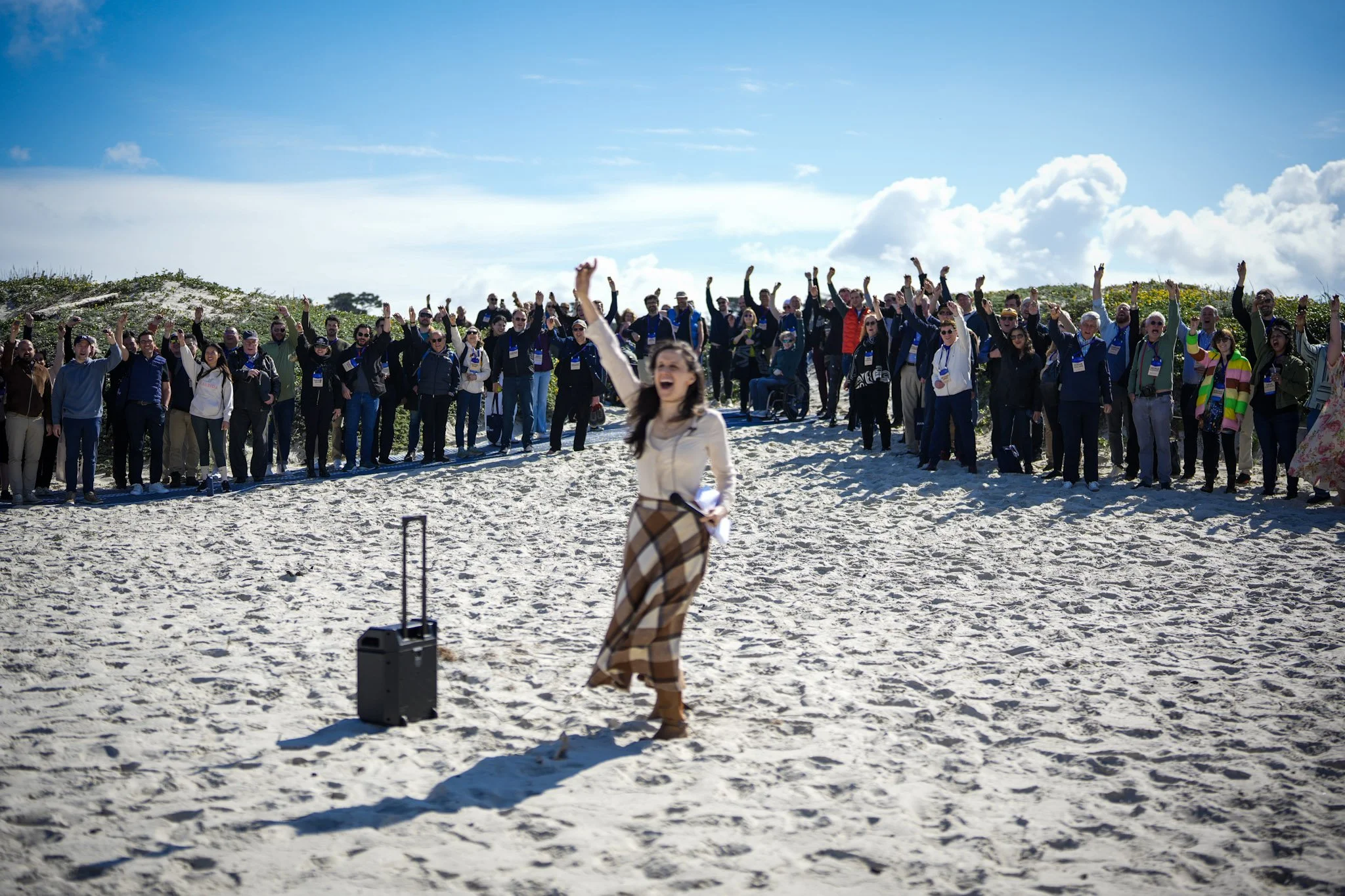
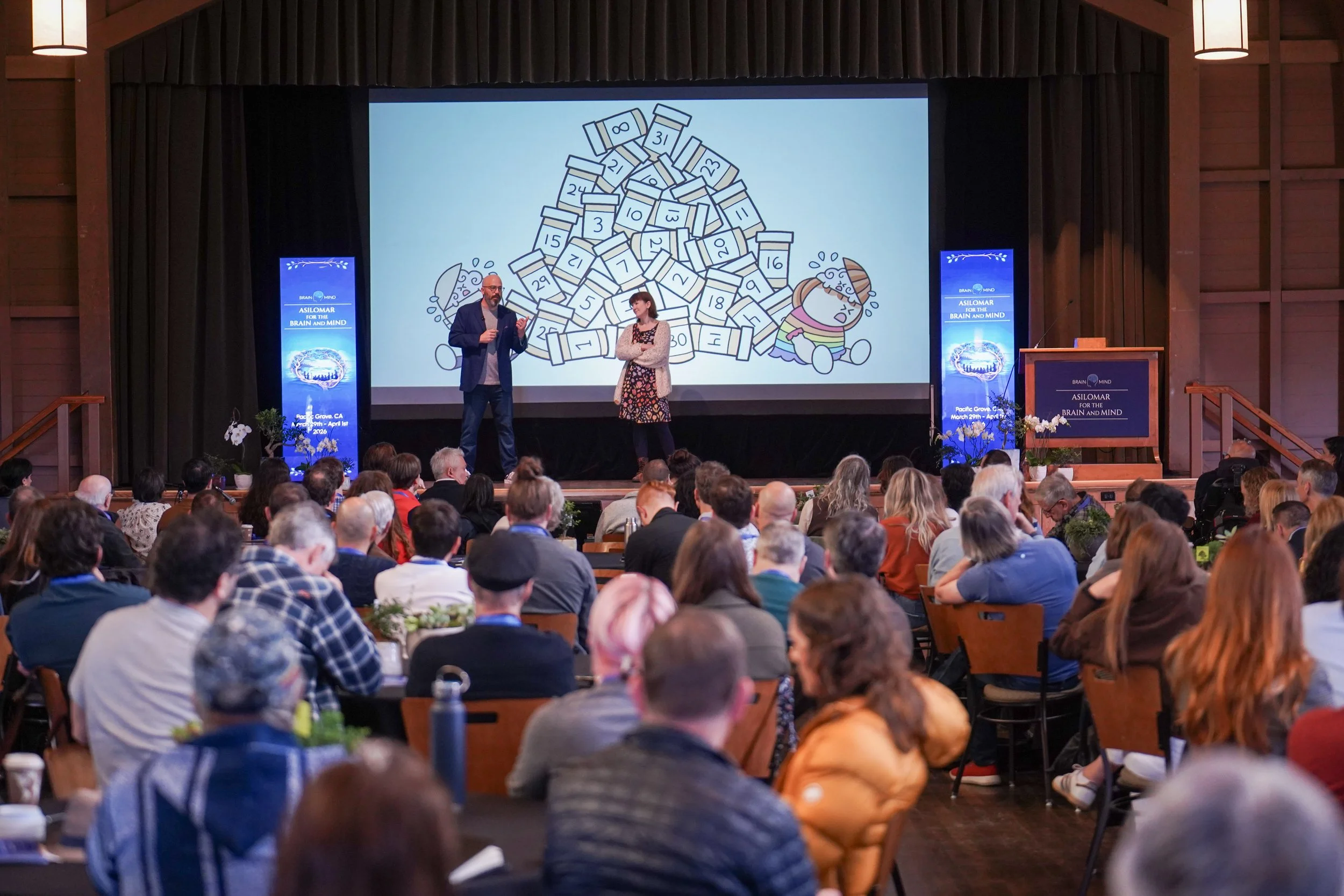
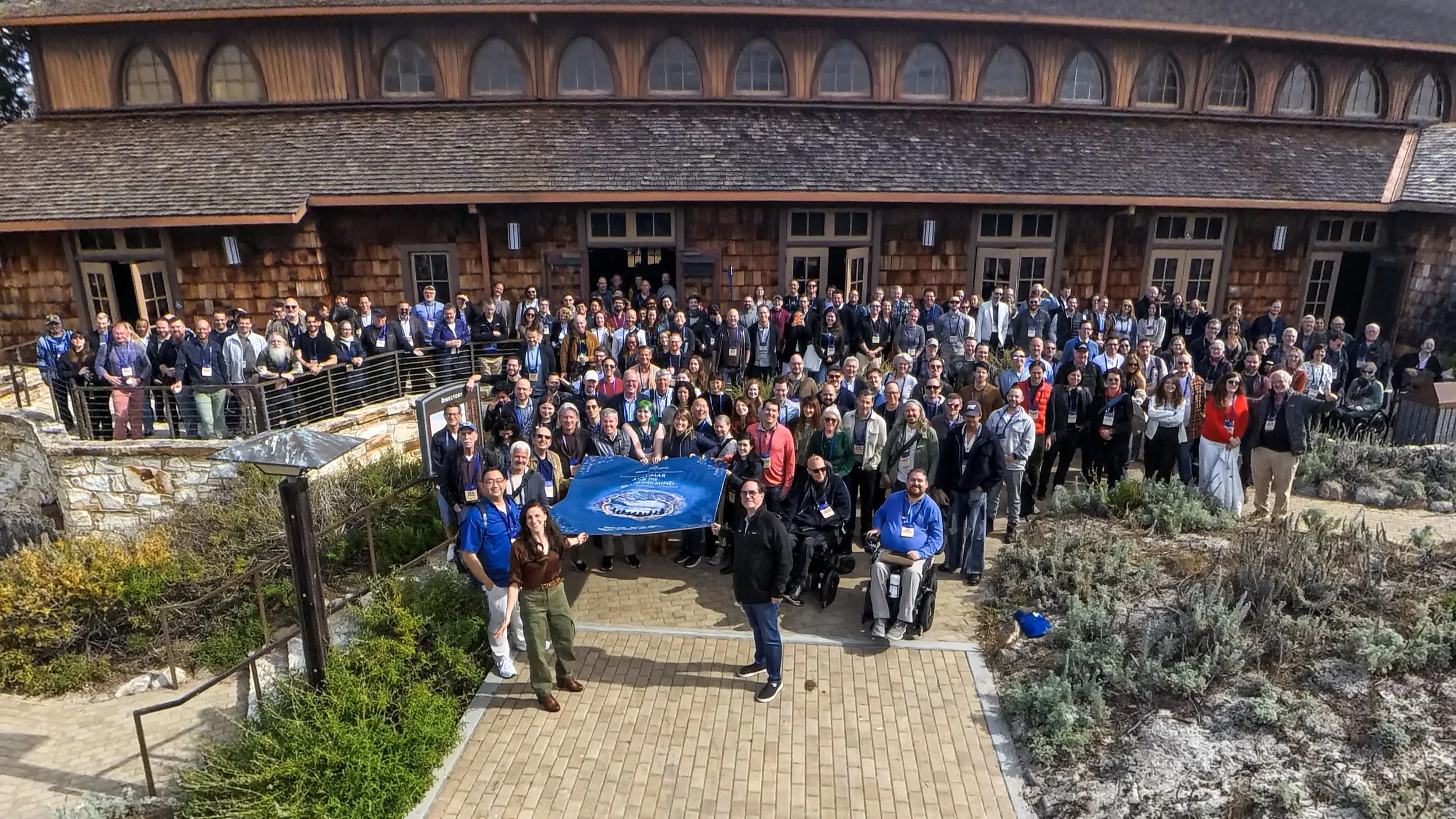
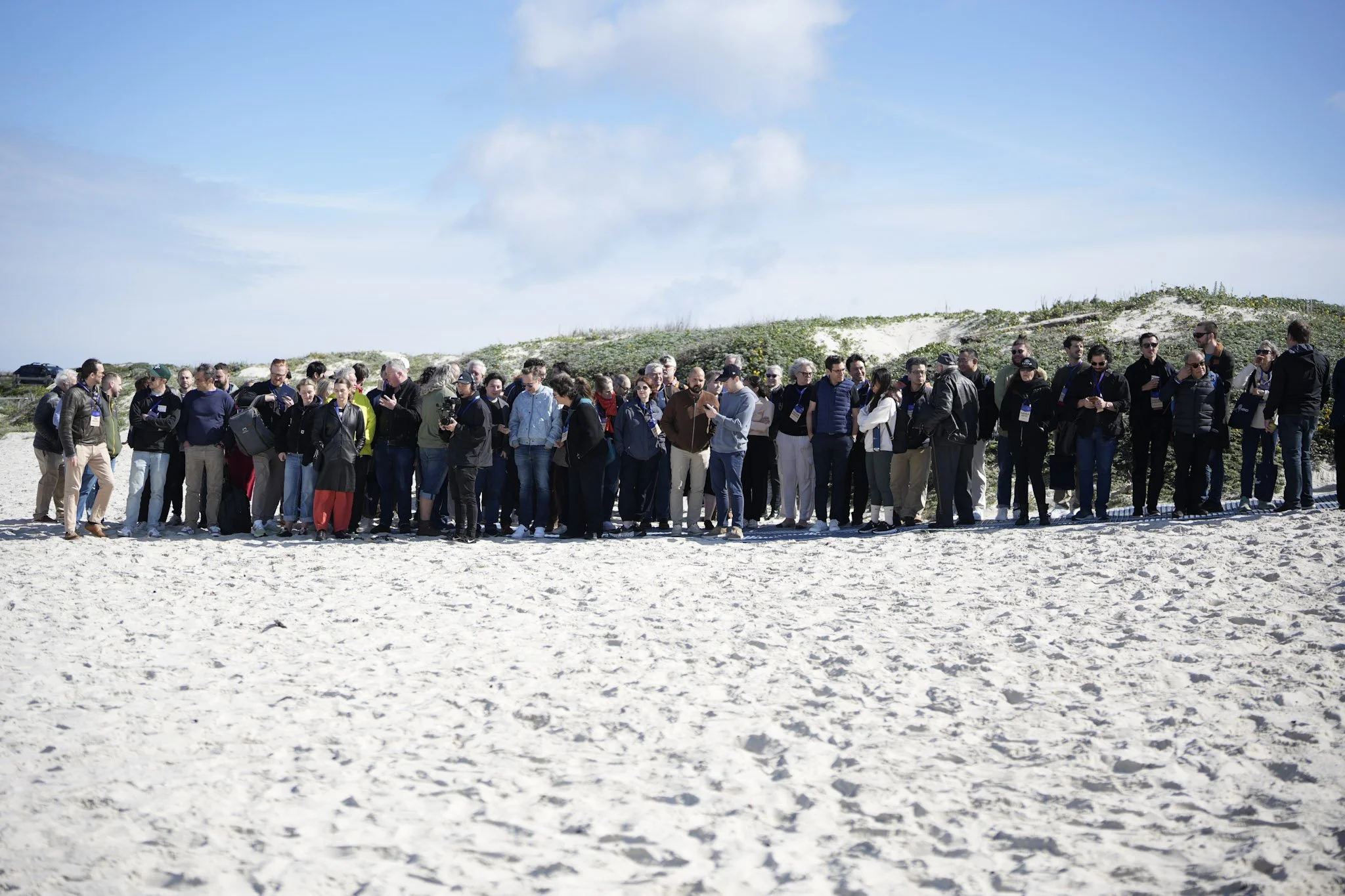
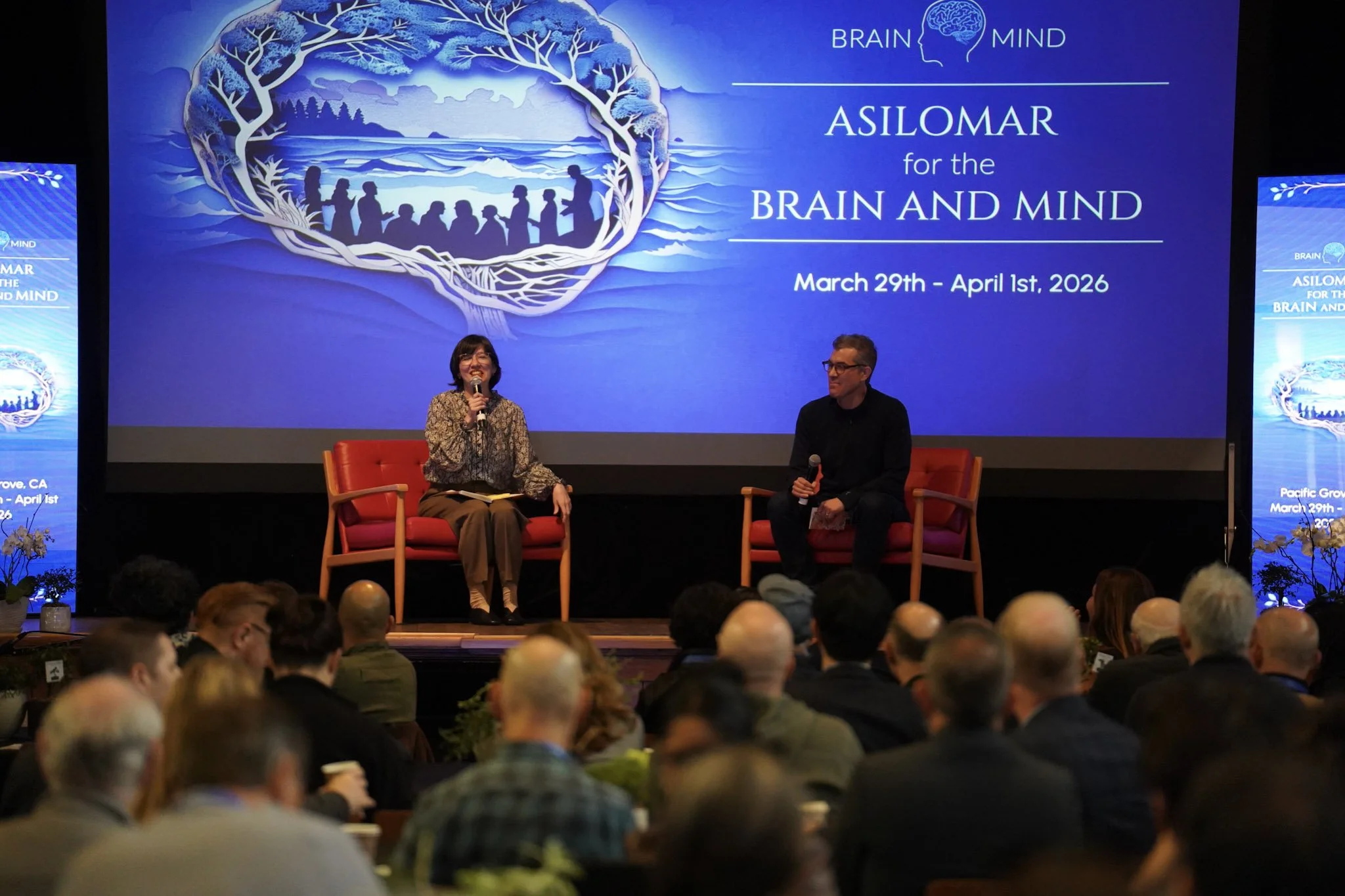
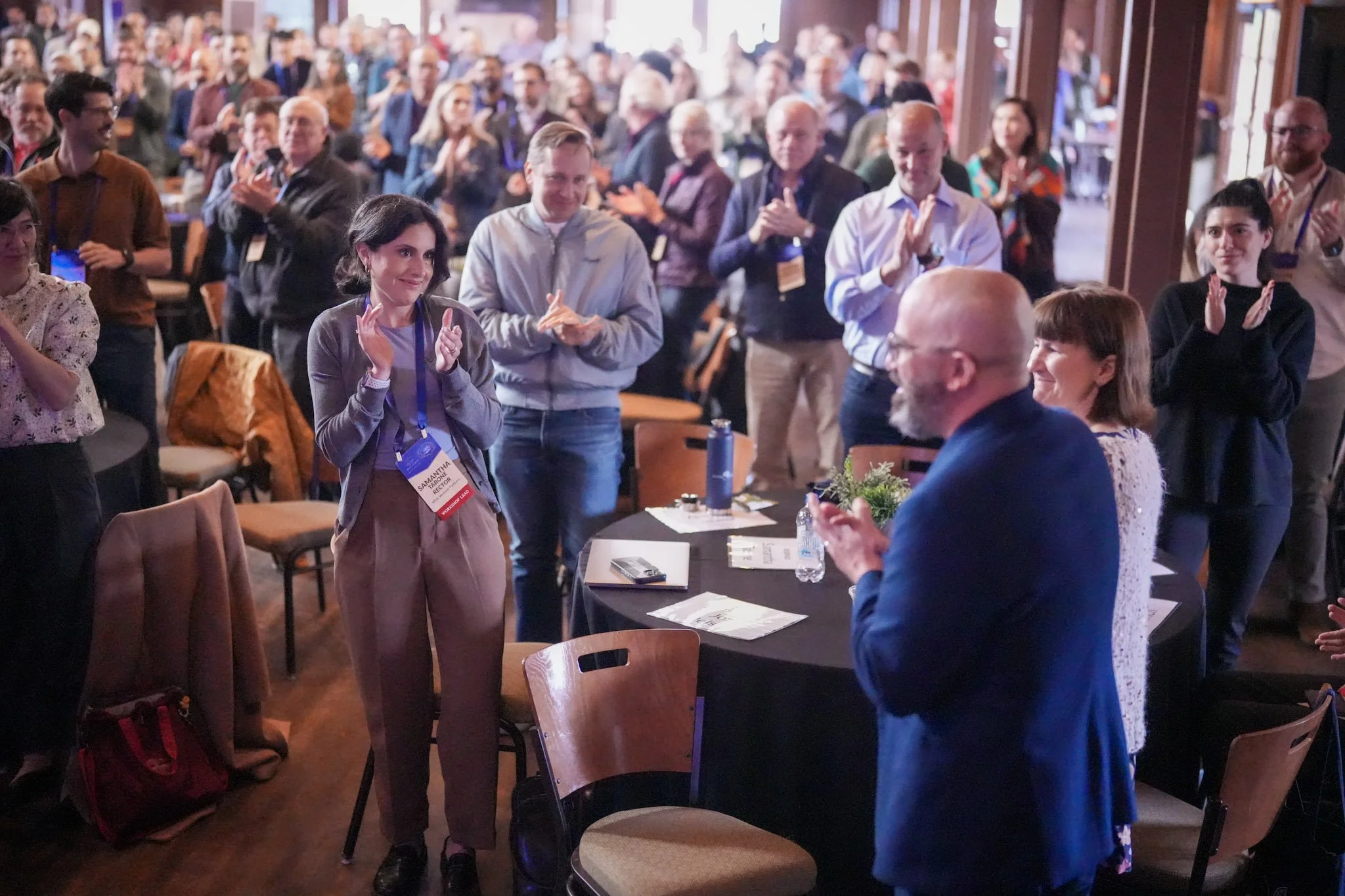
In March 2026, BrainMind convened Asilomar for the Brain and Mind at the Asilomar Conference Grounds.
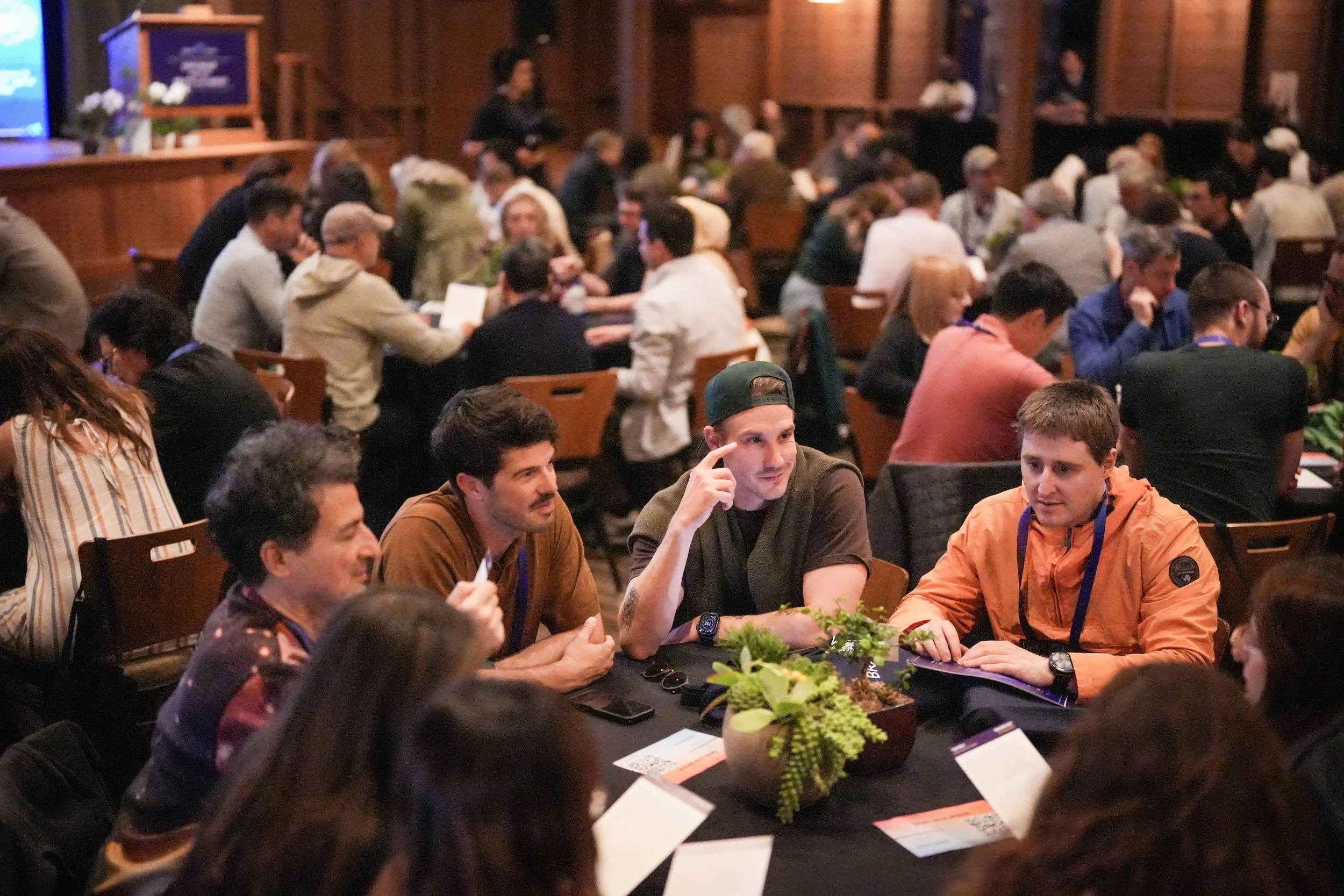
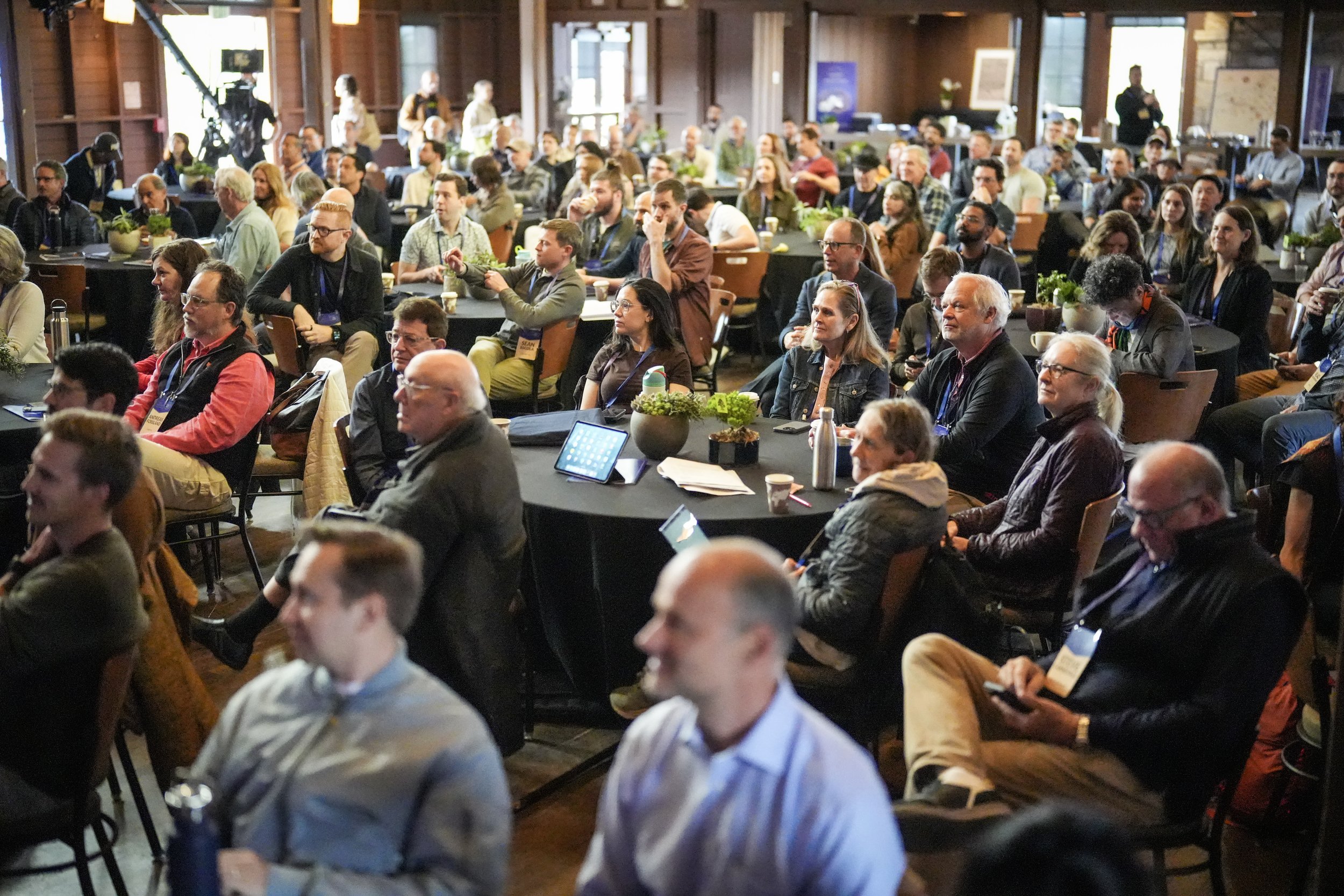
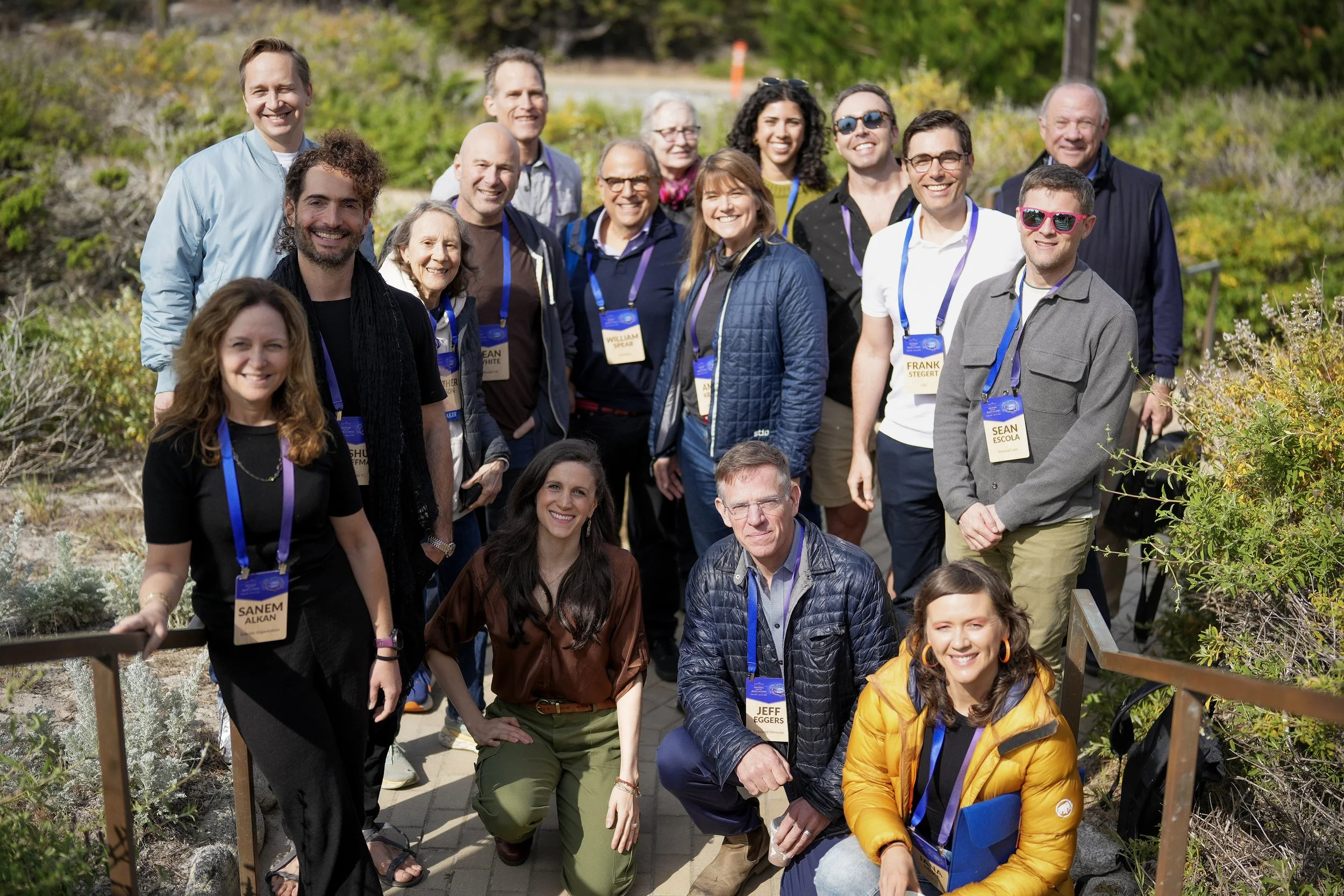
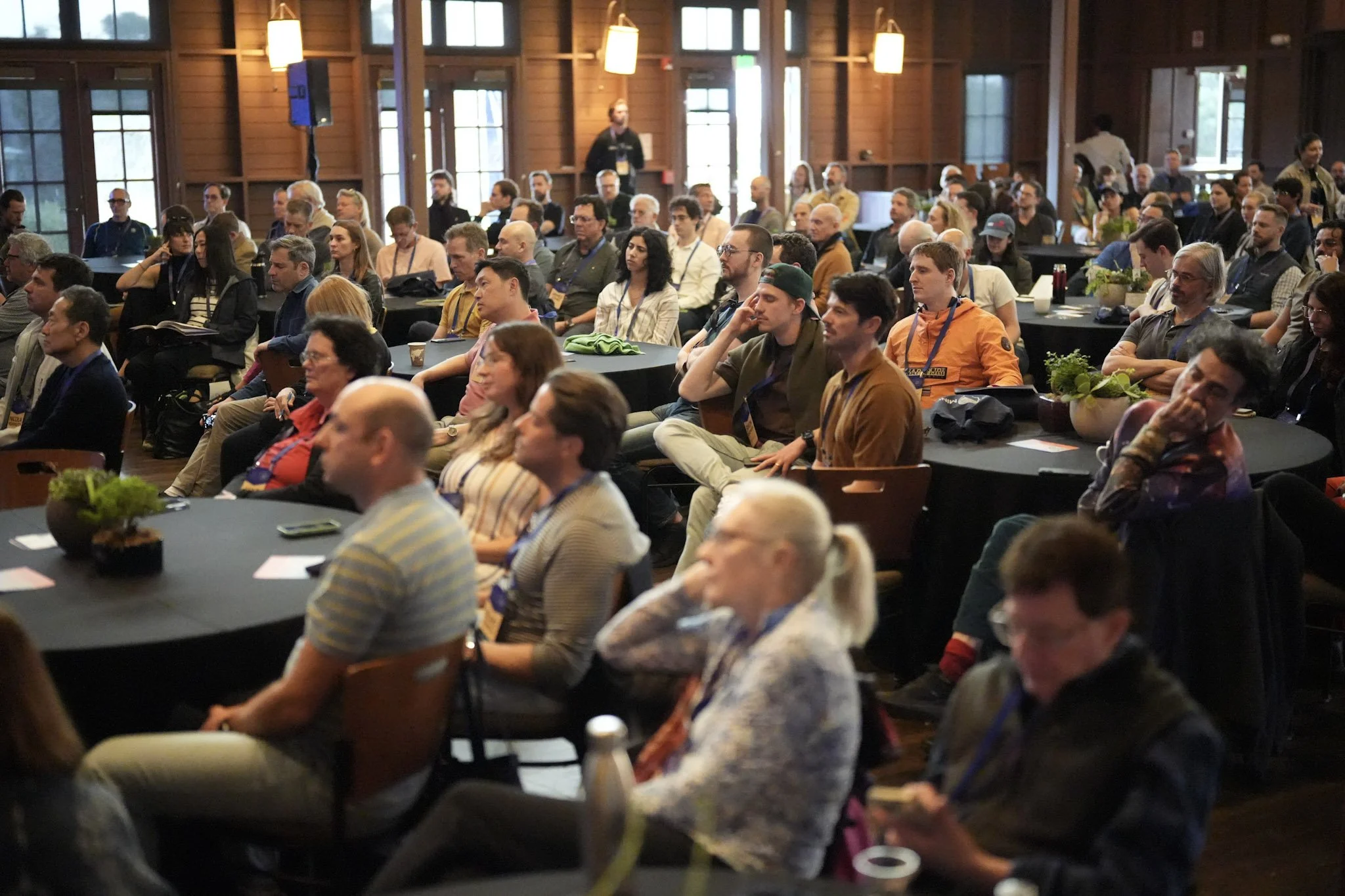
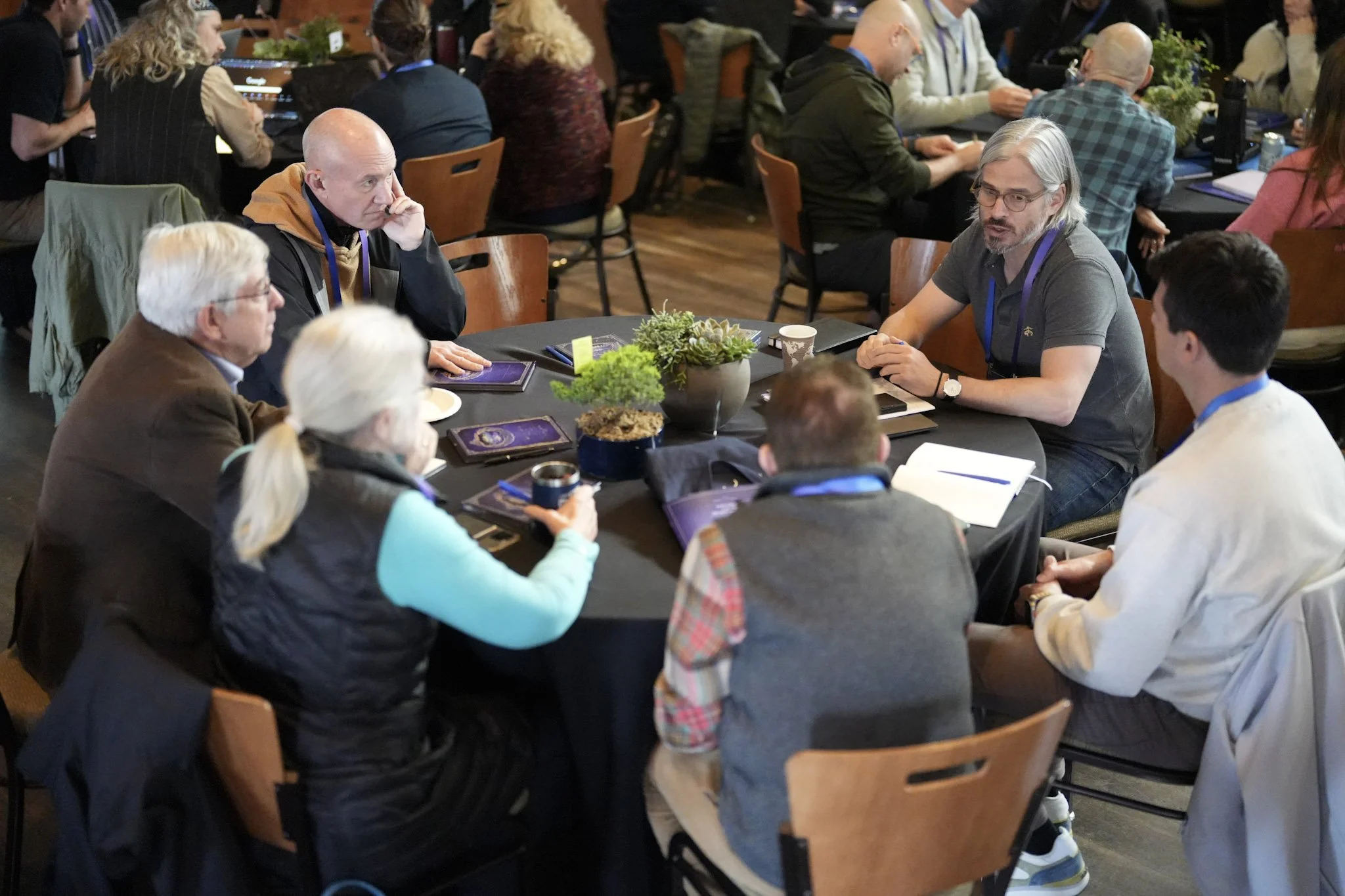
More than 250 participants took part. The group included founders, investors, clinicians, policymakers, researchers, and individuals with lived experience. The structure of the meeting was designed so that these groups worked together directly rather than in parallel.
The goal was to develop tools that could be used during active development, investment, and deployment of neurotechnology.

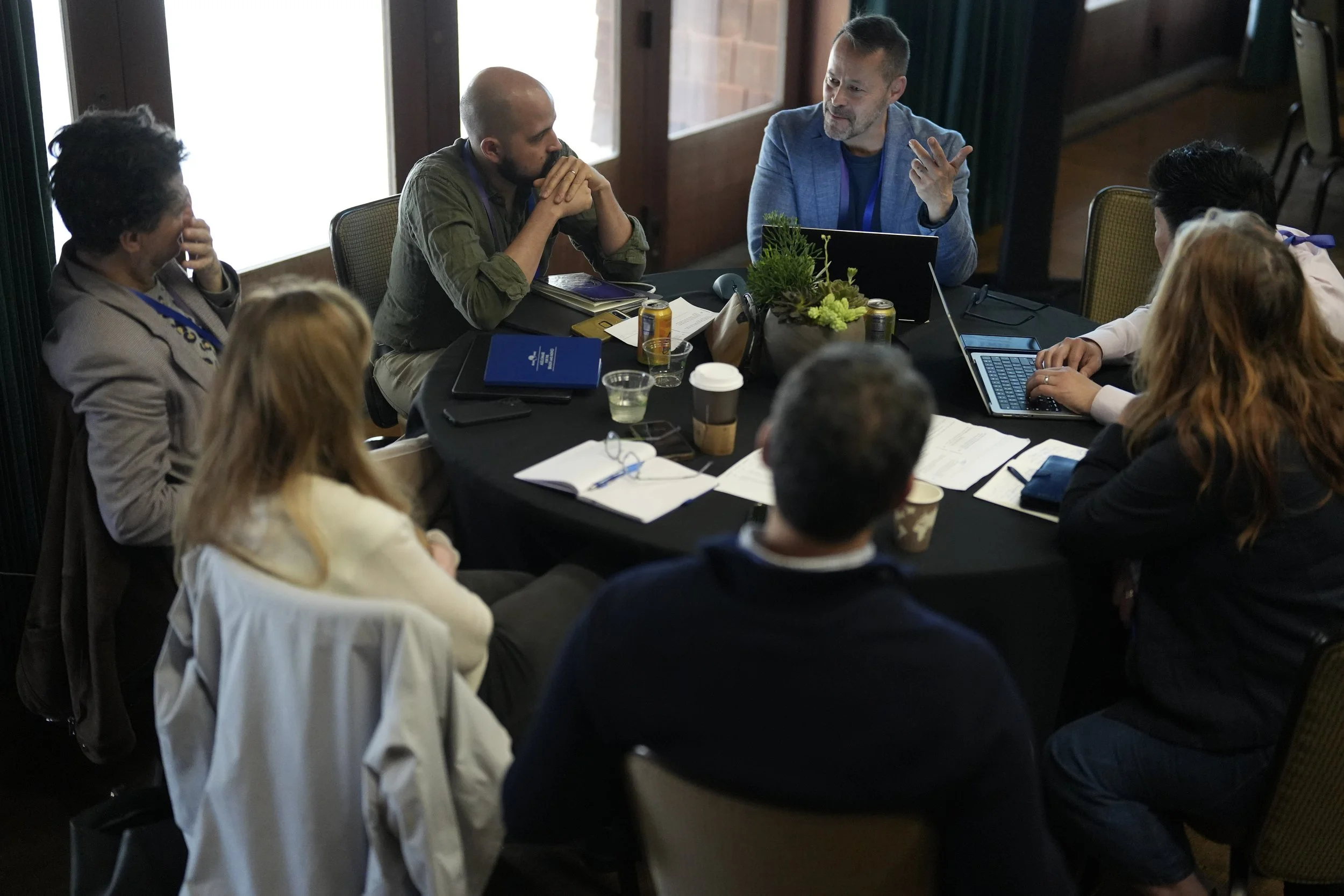
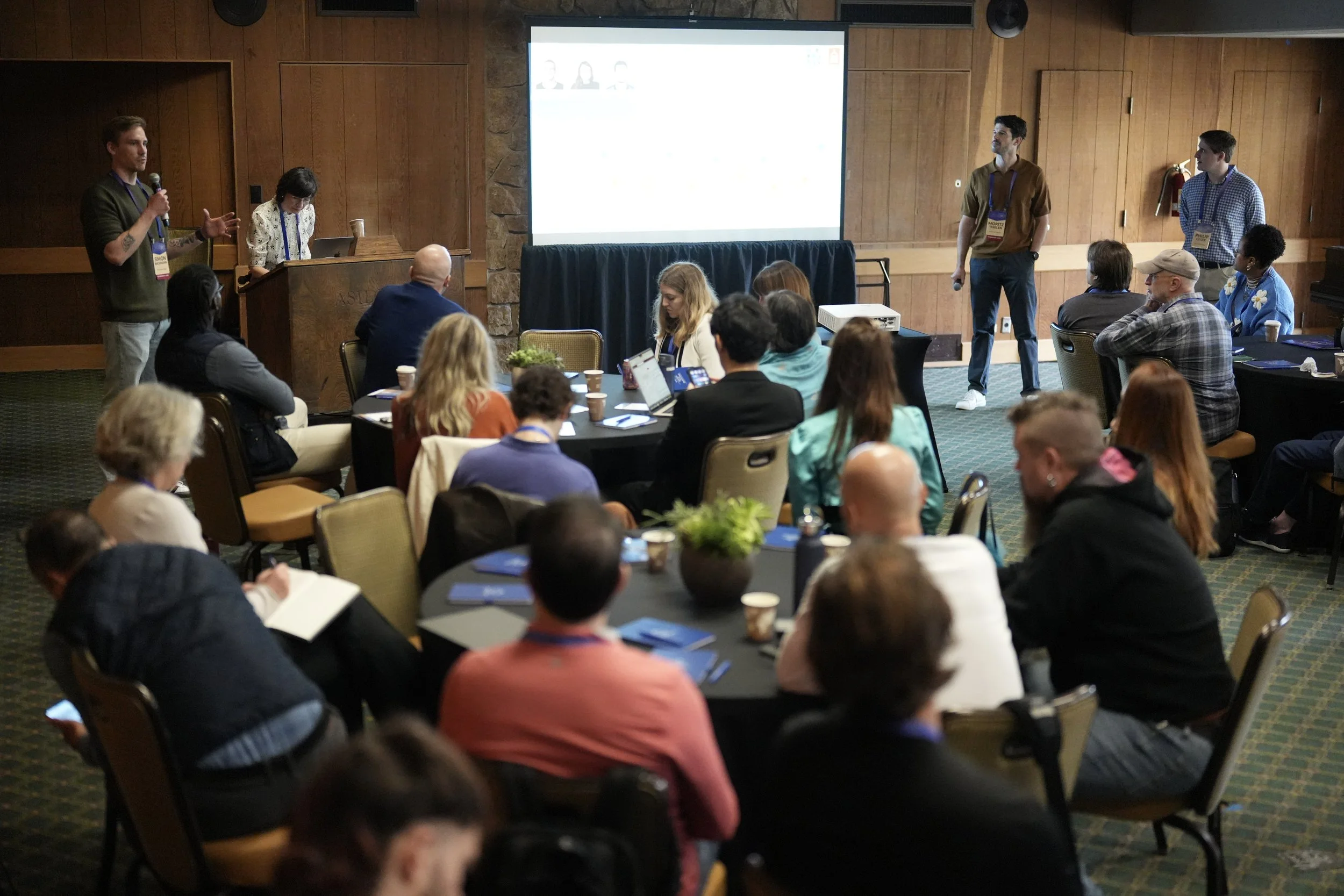

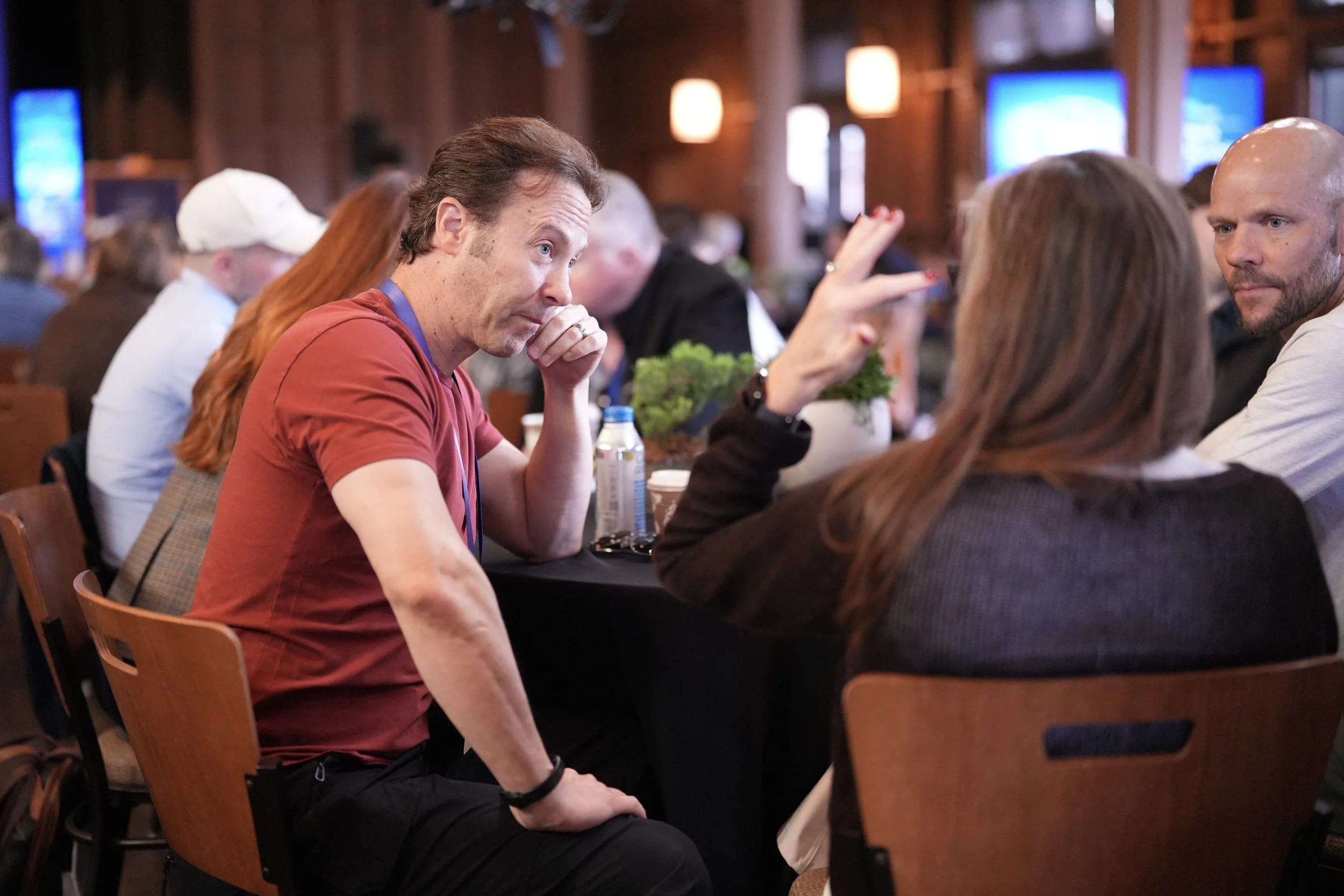
What took place?
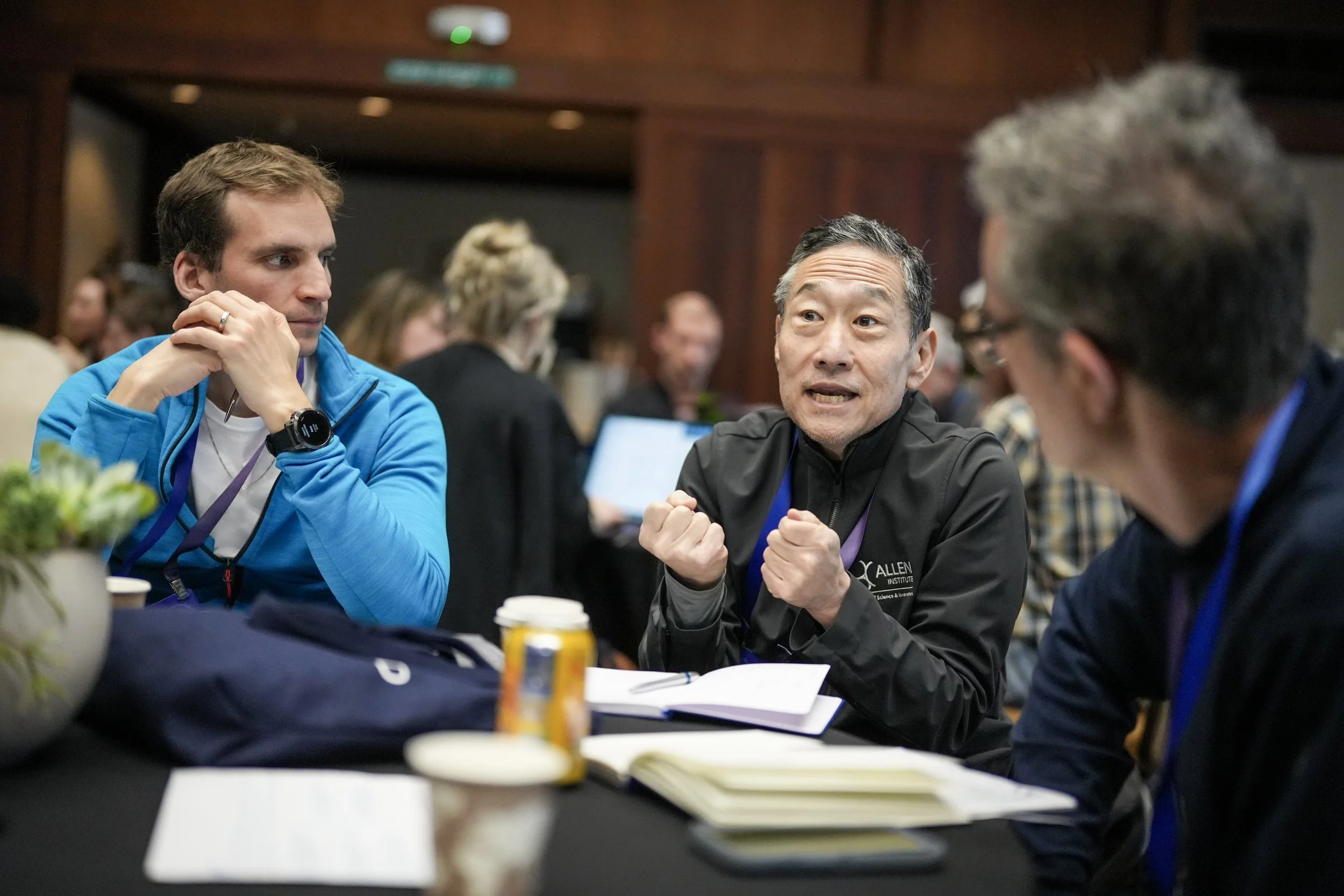
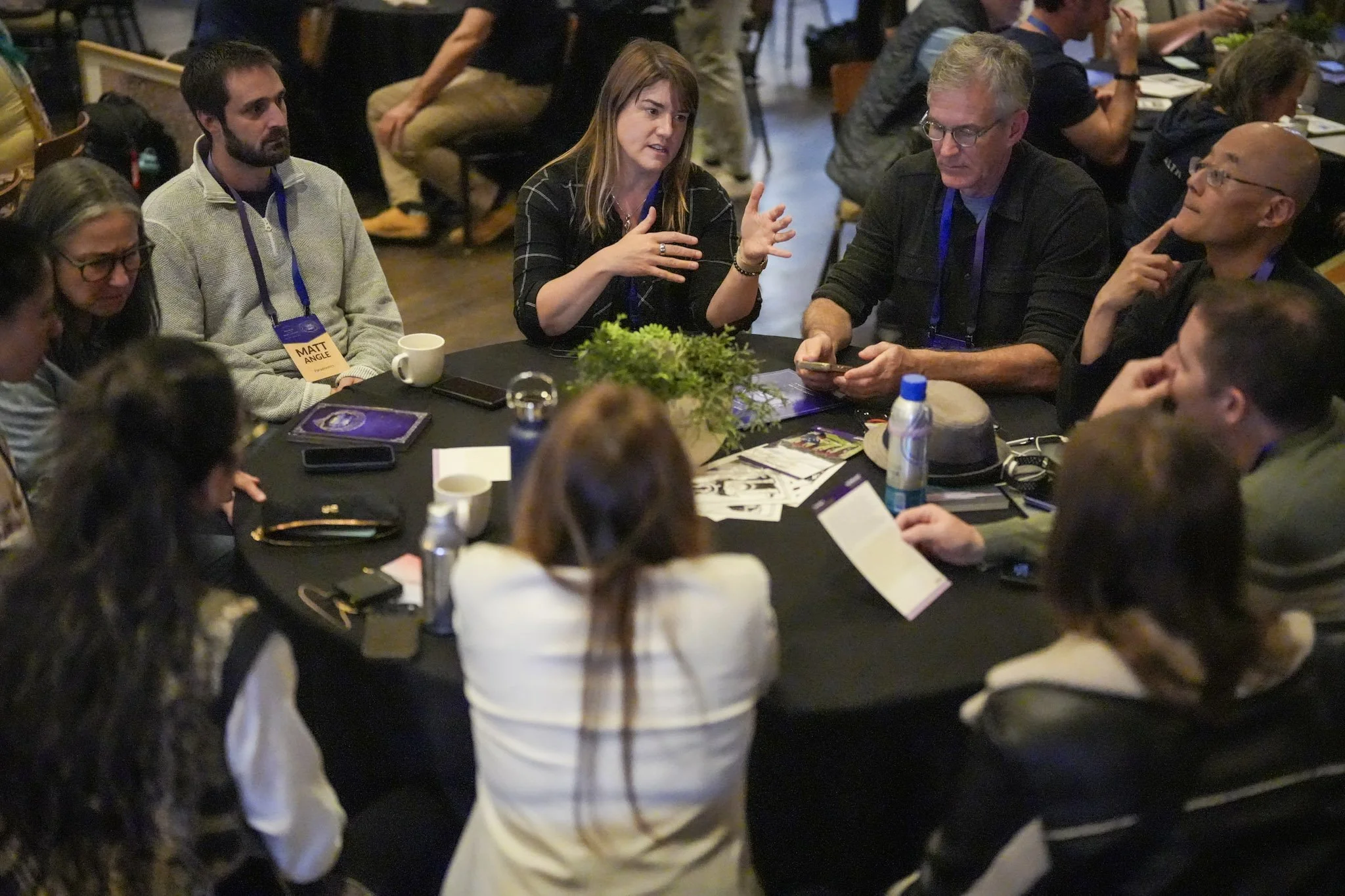
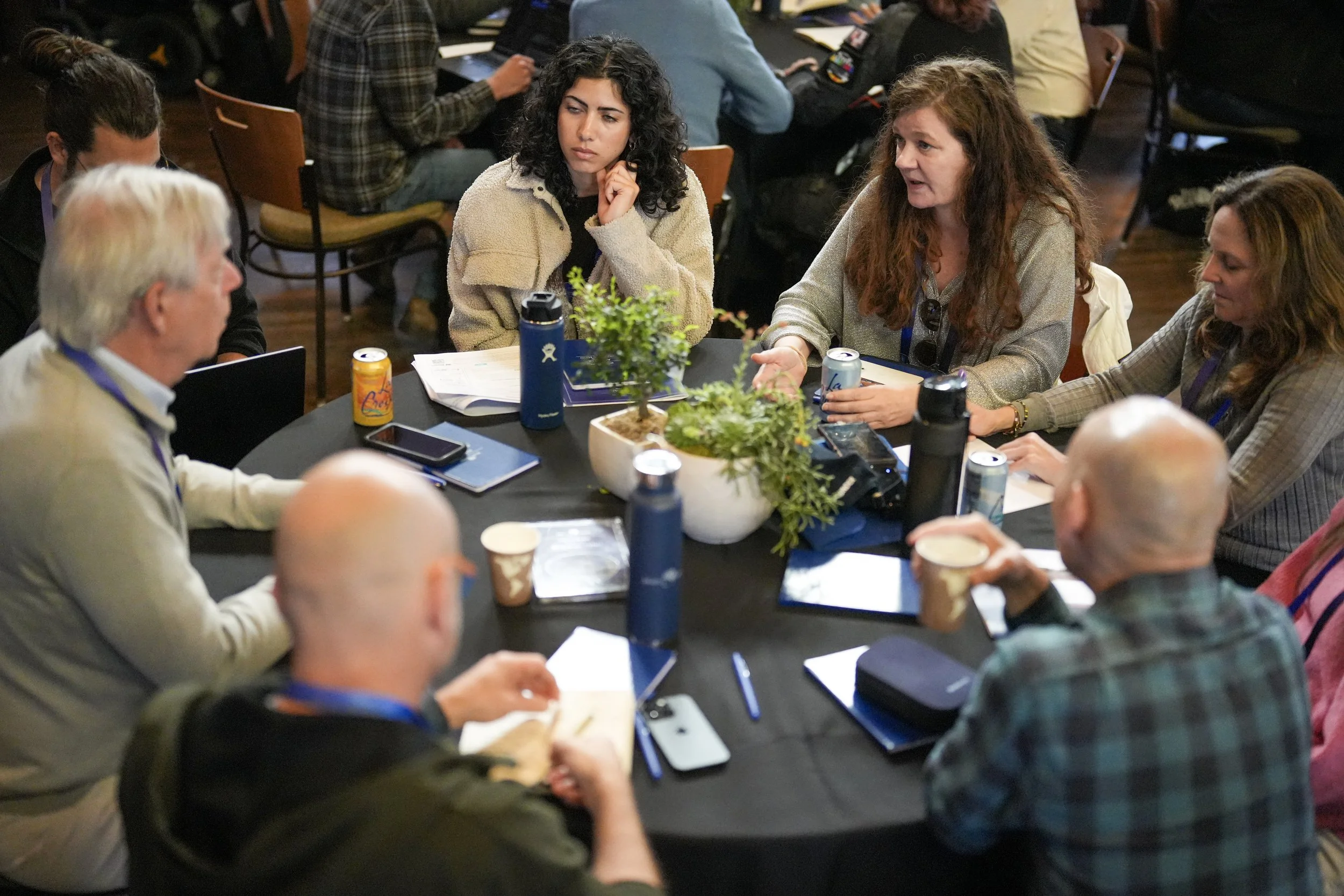
The meeting ran as a set of working sessions.
Each working group focused on a specific gap between existing neuroethics principles and real-world decision making. Participants worked through scenarios drawn from product development, clinical use, investment processes, and governance.
The output of these sessions is not a set of recommendations. It is a set of tools under active development
“Asilomar was the first neuroscience gathering I've attended where lived experience was genuinely valued as highly as those with graduate research degrees, decades of clinical contributions, and newly patented technologies. We were not tokens, or inconveniences to speak over, but experts…it marked a phenomenal shift in what I perceive as possible in the field of neuroscience. I truly believe we'll help more people, and faster, when lived experience is brought into these conversations, R&D processes, standards of care, and institutional policies. You already knew this.”
Carlie Ostrom, Founder of a stealth neuroplasticity company“Thank you so much for inviting me into this bizarrely wonderful experience. As someone who was extremely well cared for in my neurotech journey, it really does mean a ton to be able, in any small way, to help the movement forward. With all of these incredible connections, you could have chosen to pursue anything, but to gather them all together in service of making sure there are more experiences like mine—oh man. ALL THE RAINBOWS.”
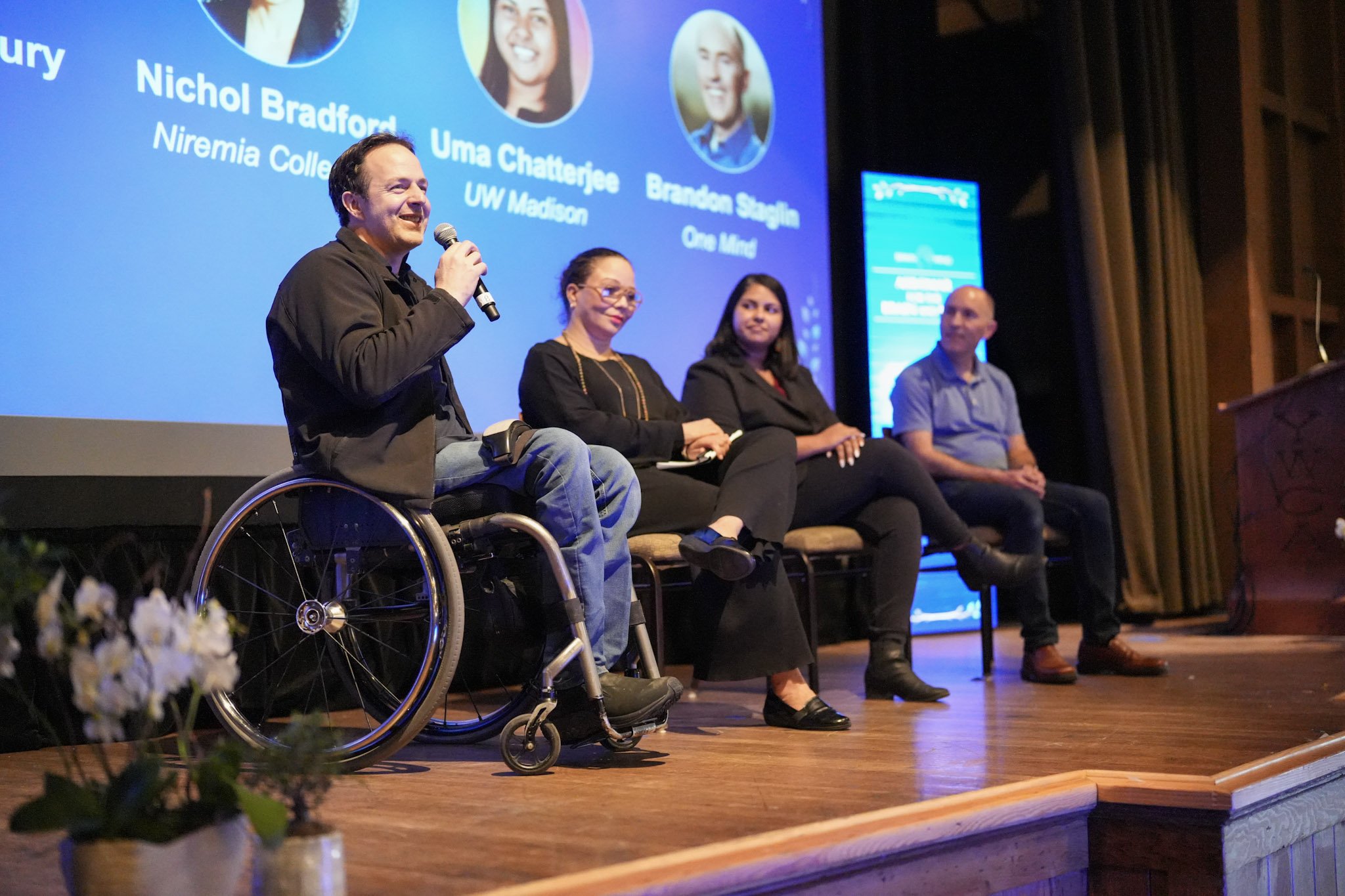
Amanda Geisinger, Lived Experience AdvocateBob Wold, Founder and Executive Director of Clusterbusters“Thanks so much for hosting me for a life-affirming three days. The conversations with colleagues (many of whom I can now call friends) were so uplifting, and the organized discussions at the workshops helped me understand the challenges in the neuroethics field much better. I appreciate the intense work you and your team have done to make this event happen, and hope it sets the field on a strong course.”
Brandon Staglin, Co-Founder, Chief Advocacy & Engagement Officer, One Mind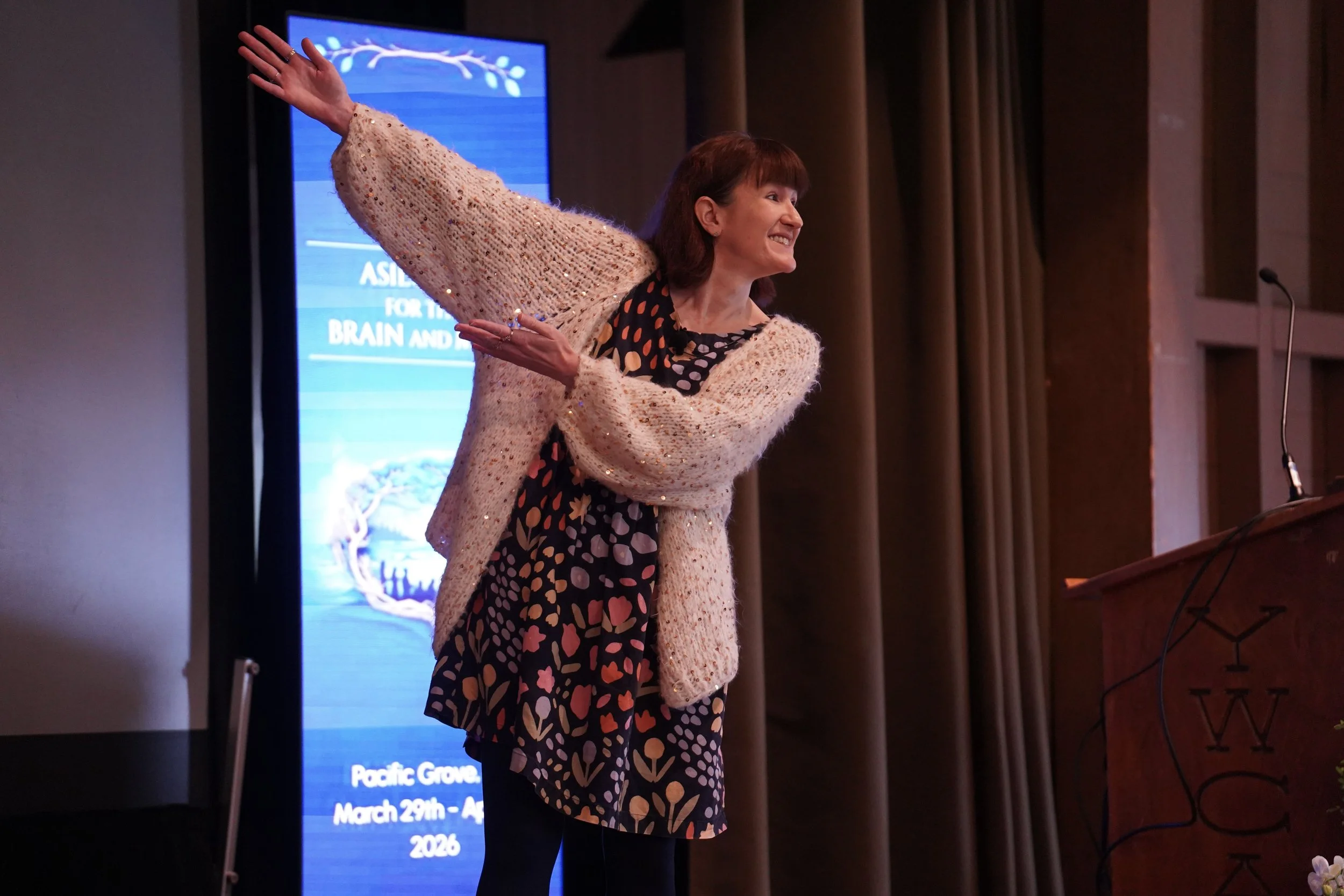
“You are correct in gaging the importance of this gathering and the foundation you have built, as historic. If carried out, as it seems it will, this can be a movement that brings about a positive step forward in the evolution of the human existence. We are in desperate need of such positive adjustments that can benefit future generations. I am not usually using such superlatives when speaking of my worldview and the "universe" of our future but you, and the quality of the people that attended, have me convinced.”
Background Reading
BrainMind prepared a set of briefing materials in advance of Asilomar for the Brain and Mind. These resources are designed to give a deeper understanding of the gathering’s vision, objectives, and the concrete steps we’ll take to achieve them. We invite you to explore the materials below to learn more about the goals of the convening.
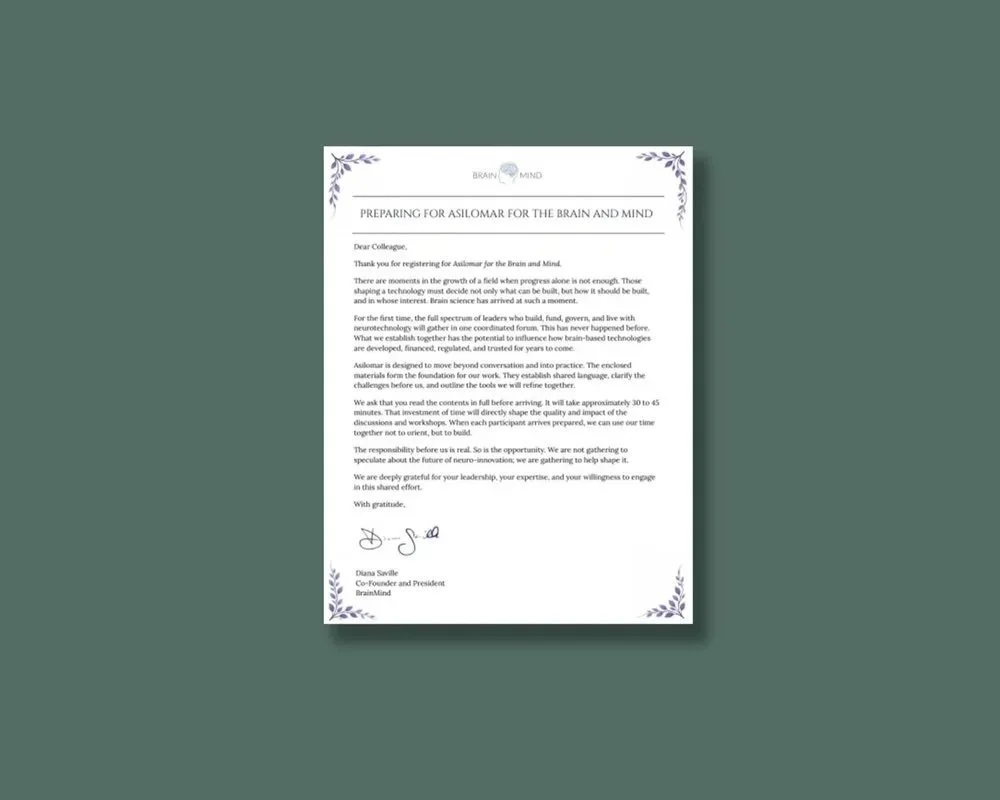
Cover Letter
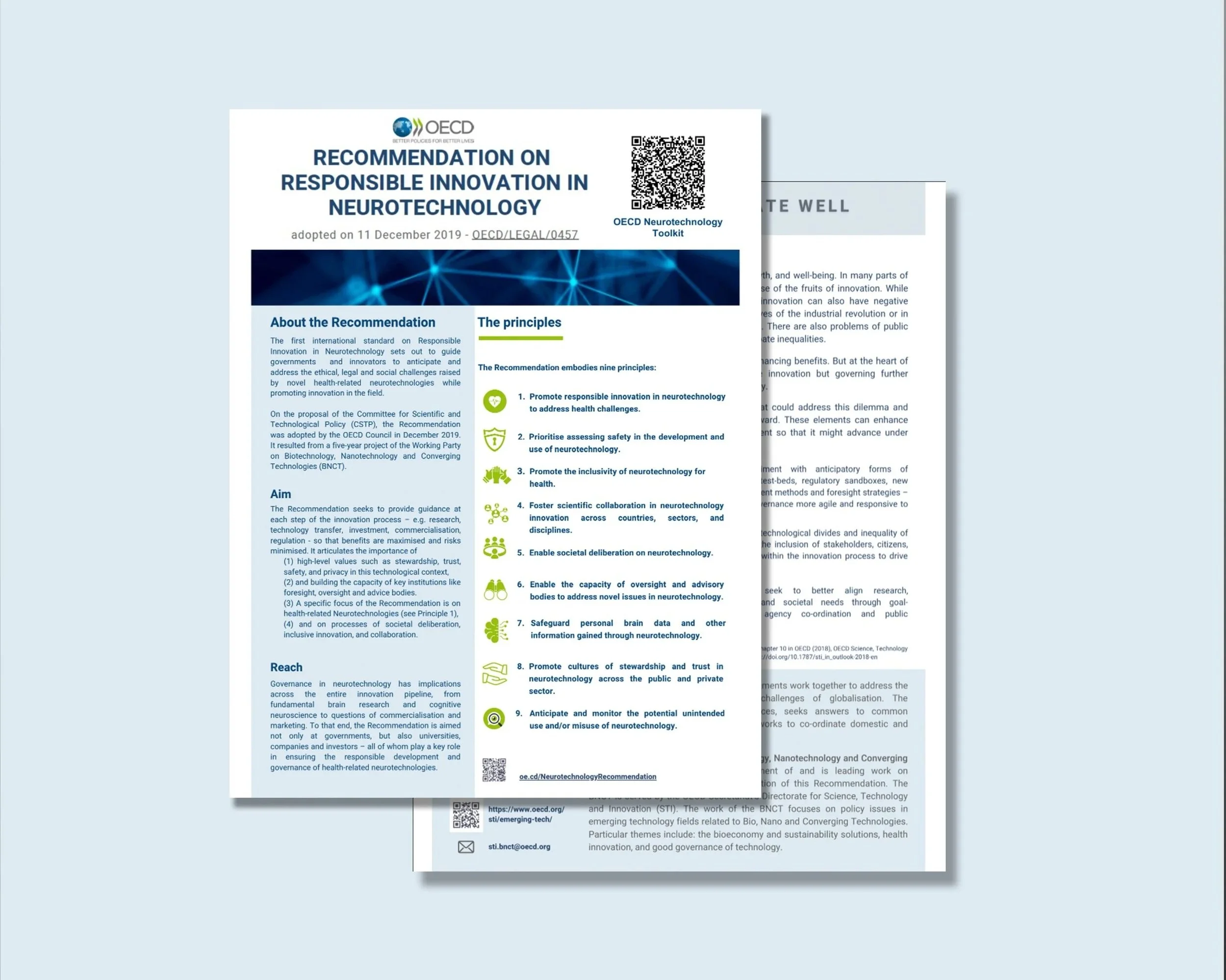
OECD Recommendation on Responsible Innovation in Neurotechnology
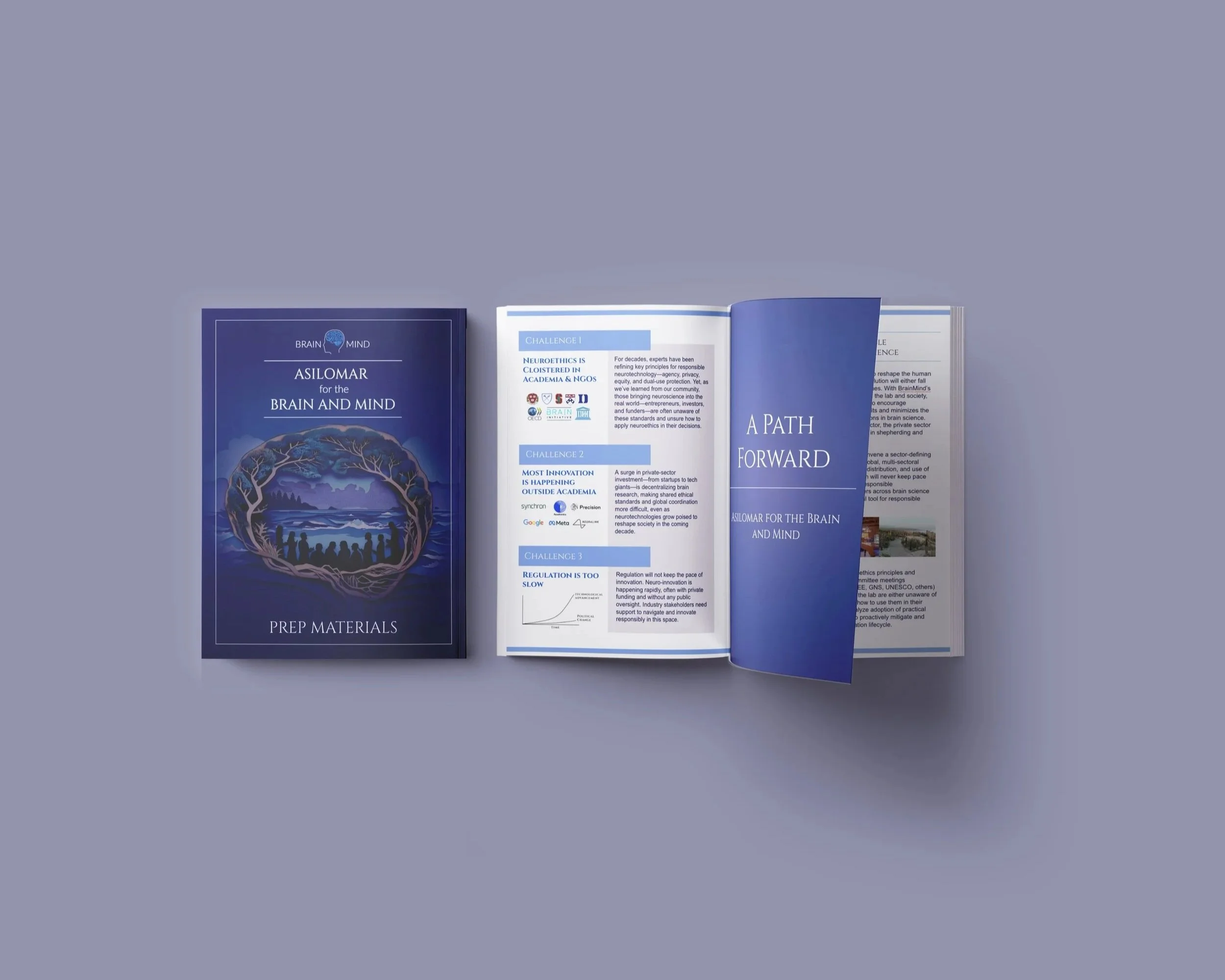
Asilomar for the Brain and Mind Briefing
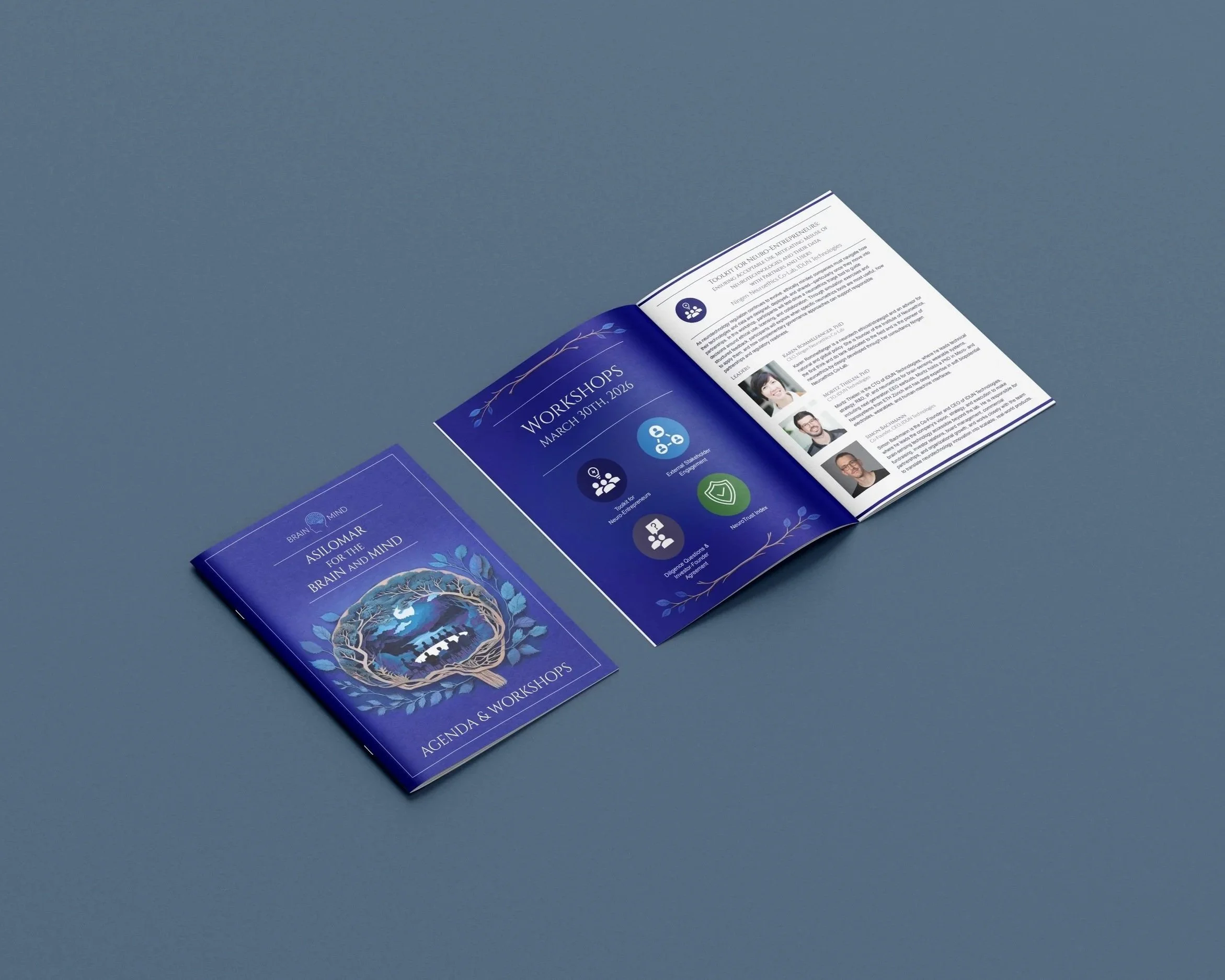
Agenda & Workshops
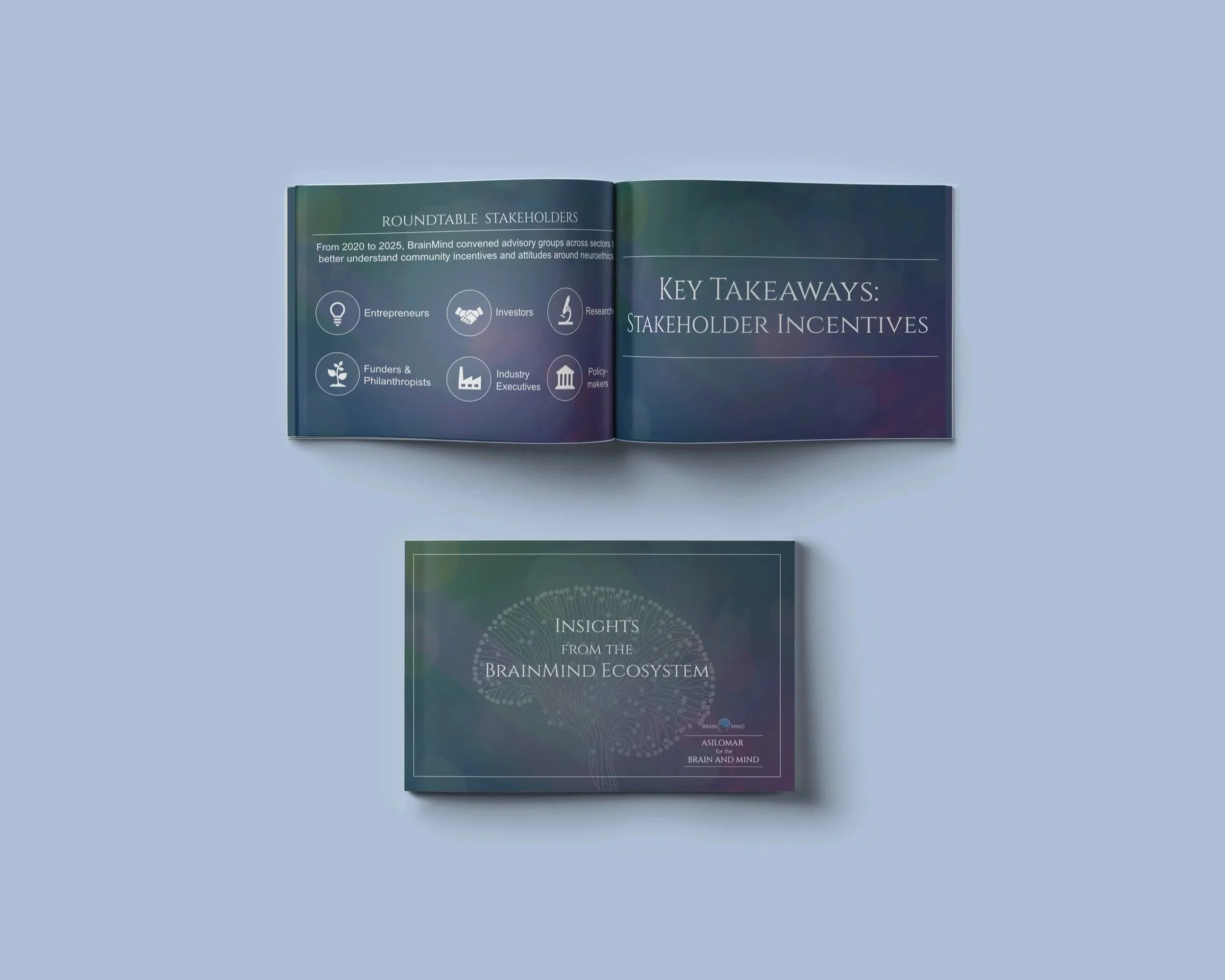
Stakeholder Conversations
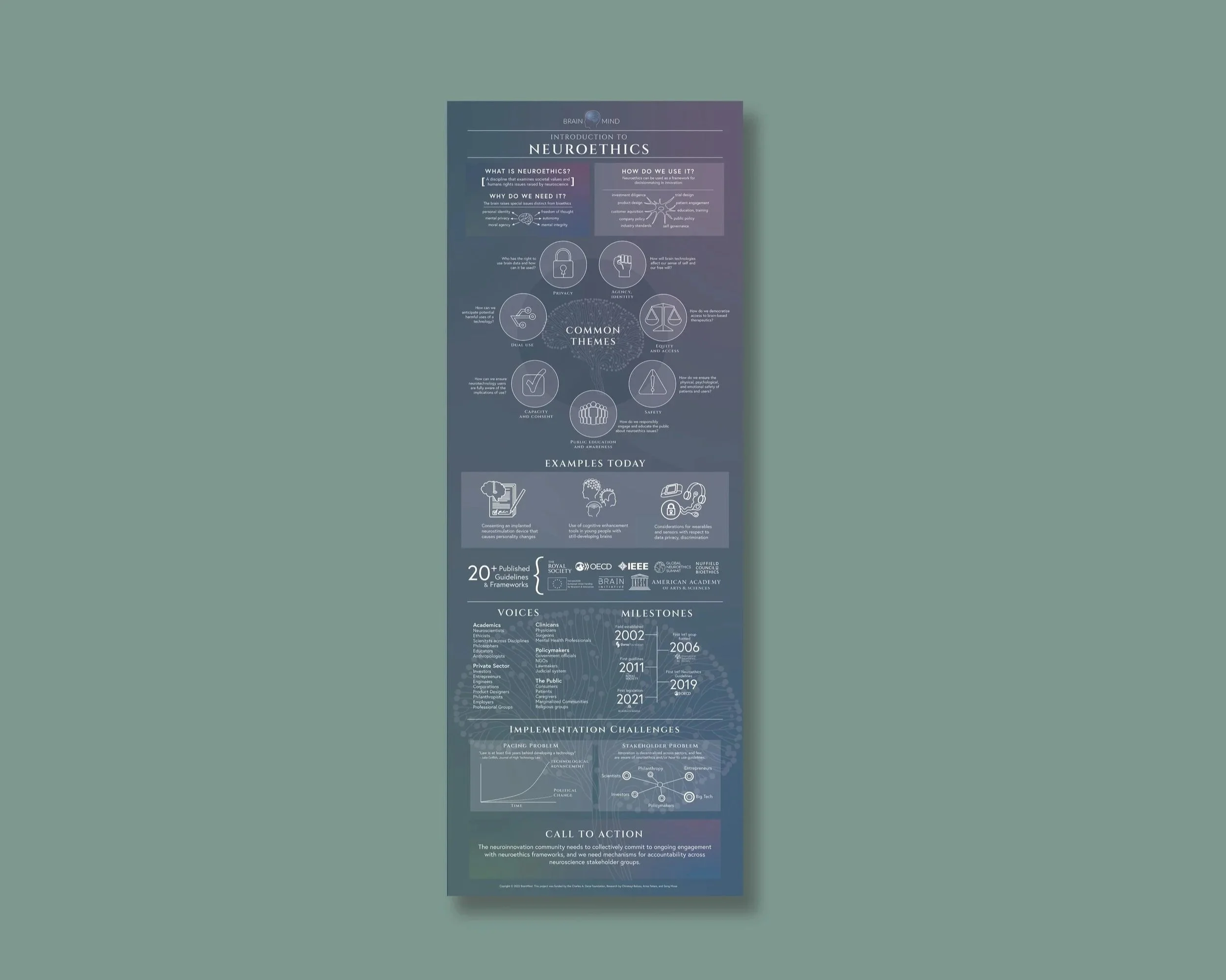
BrainMind Neuroethics Primer
Outcomes
Each working group is continuing beyond the meeting with defined outputs and timelines.
Read here to learn more about the working groups and their progress during and after Asilomar for the Brain and Mind.


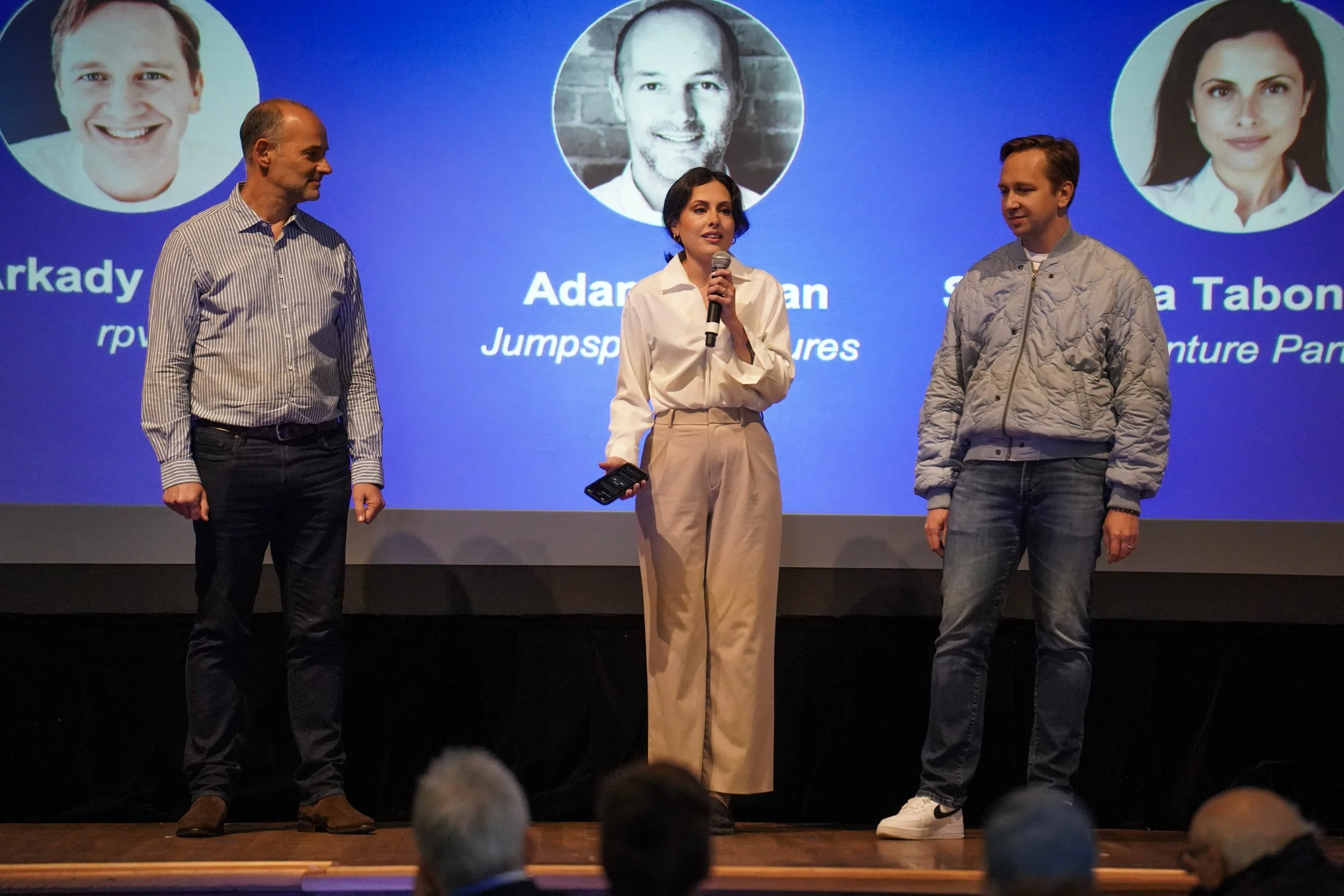
Diligence Questions and Investor-Founder Agreement:
Building tools to embed ethical commitments directly into investment decisions, including diligence frameworks and term sheet language. These are now under active development and being tested within investor workflows, alongside a broader neuroethics charter.

Next Steps and How to Get Involved
The work has entered an implementation phase.
Participants are testing these tools in real-world settings across investment, company operations, and governance, while working groups continue to refine outputs through ongoing sessions and applied use.
A summary report on the work developed at Asilomar will be published shortly. This work will reconvene at JPM 2027 to assess progress, adoption, and next steps, with the goal of supporting broader use across the neurotechnology ecosystem.
Working groups remain active and open to additional contributors. Individuals working across neurotechnology development, investment, governance, or lived experience are invited to join ongoing efforts or follow progress.
Register your interest in joining a working group below. For general updates, follow Diana Saville, Cofounder and President of BrainMind on LinkedIn

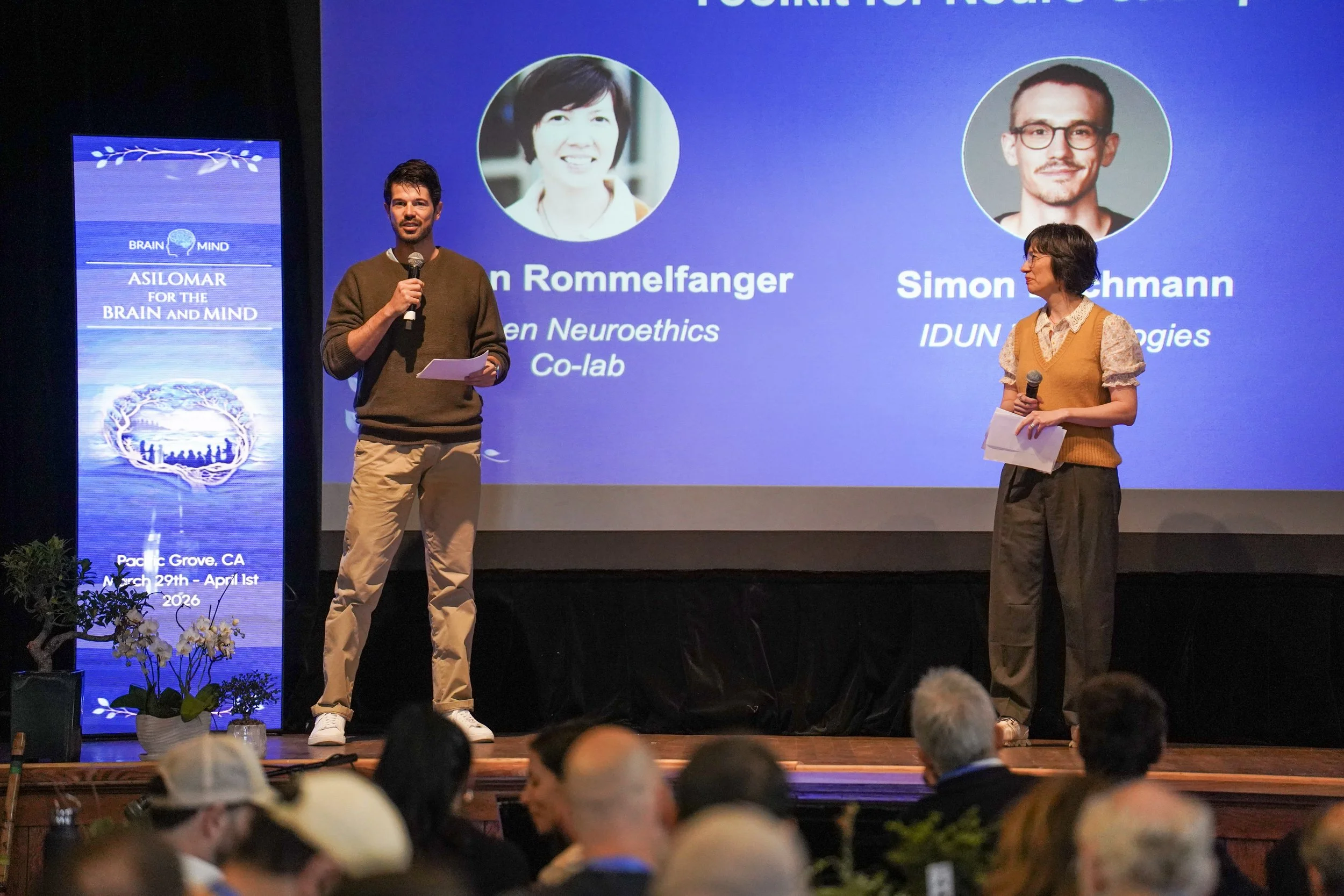
Toolkit for Neuro-Entrepreneurs:
Creating an ethics-support application to guide product and partnership decisions in neurotechnology companies. The tool is now entering pilot, with multiple companies testing and shaping its next iteration in real operational settings.
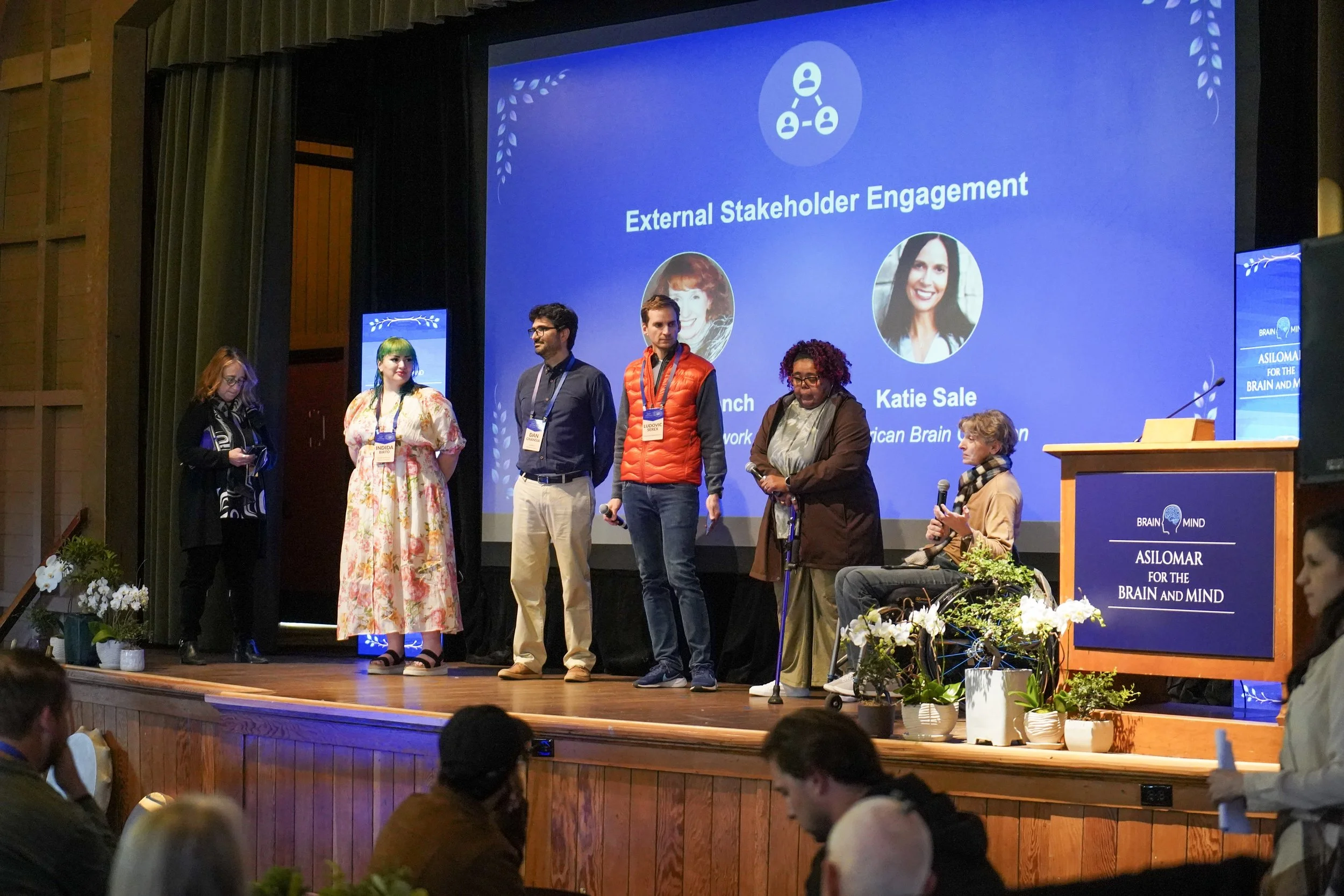
External Stakeholder Engagement
Designing tools and platforms to integrate lived-experience perspectives into neurotechnology development. The SHARE and CARE platforms are now advancing with improvements based on testing, alongside continued peer learning and adoption efforts.
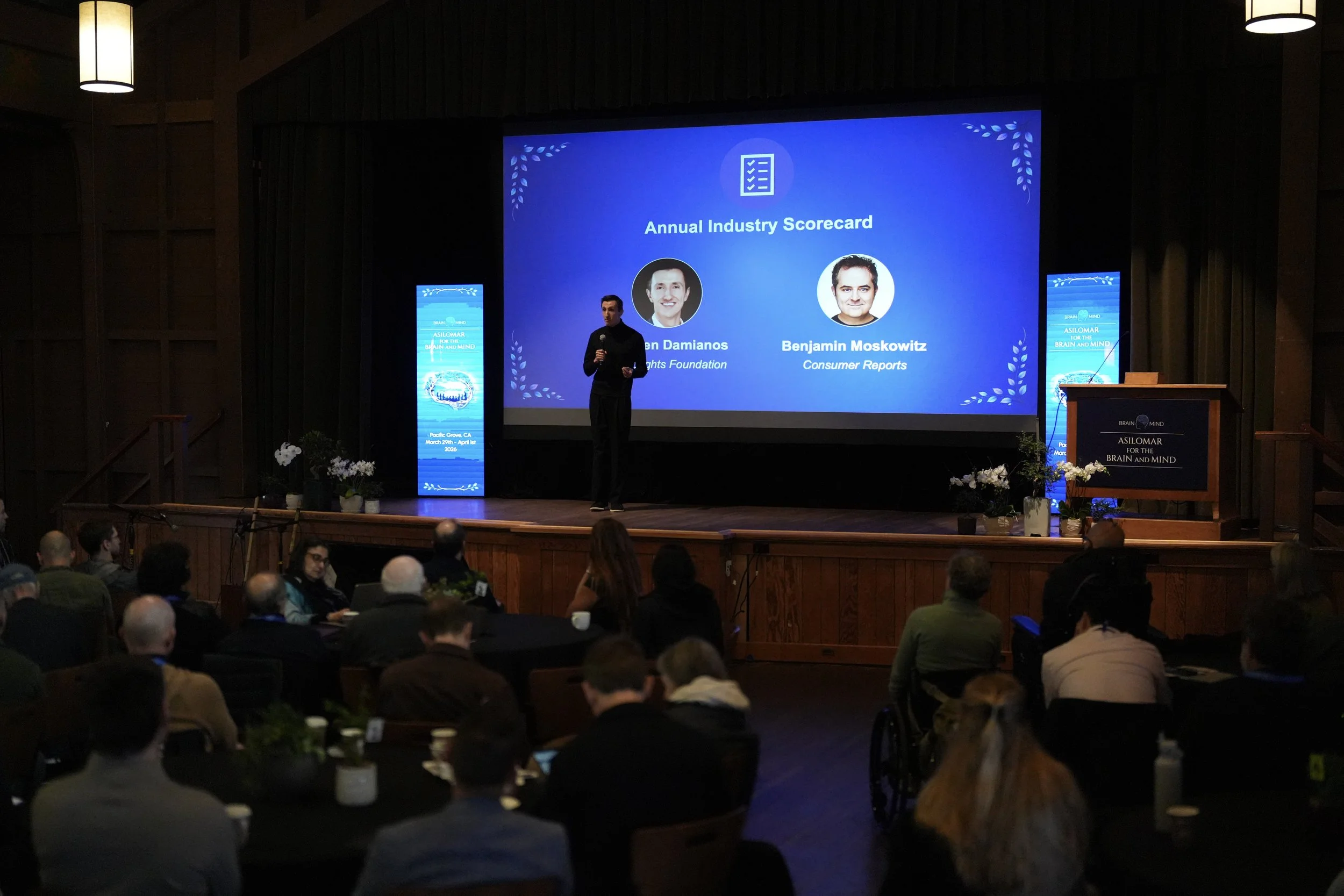
Developing a standardized framework to evaluate consumer neurotechnology products and companies. The scorecard is being refined—streamlining principles and introducing sub-scores—with a target public release in 2027.
Values to Actions: Ethical use of Neural Data within Neurotechnology Companies
Translating high-level data ethics into practical governance approaches for companies. A policy brief is now in development, outlining actionable guidance on consent, ownership, and downstream data use.
Ethics and Reputation Risk Matrix
Creating a board-level tool to identify and manage ethical risks across company lifecycles. The matrix is being piloted in real world board meetings and refined into a repeatable governance instrument, alongside concise, signable principles for board adoption. This group is looking to publish their insights and tools in the future.